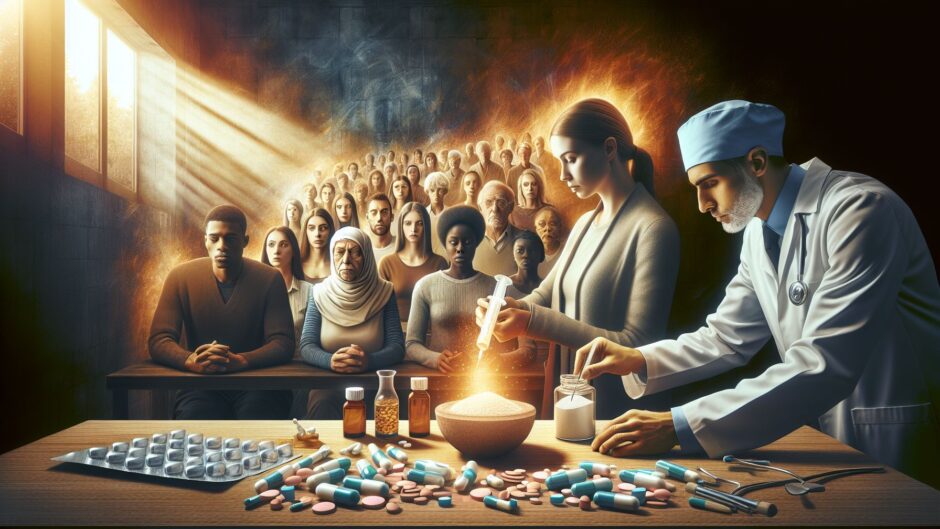
Medicines play a vital role in promoting and maintaining patient health. From a simple headache to a life-threatening illness, the discovery and development of medicinal drugs have revolutionized healthcare, drastically improving patient outcomes. These invaluable substances help to alleviate symptoms, treat diseases, and even prevent future complications. In this article, we will explore the power of medicines and how they enhance the lives of patients worldwide.
The Importance of Medicines
Medicines are essential tools in the hands of healthcare professionals for preventing, diagnosing, and treating illnesses. The primary objective of medications is to restore and improve the well-being of patients, allowing them to lead fulfilling lives. Whether it is a prescription drug or an over-the-counter remedy, the utilization of medicines enables patients to regain normalcy in their day-to-day existence.
Symptom Relief and Disease Treatment
One of the most significant benefits of medicines is their ability to alleviate symptoms. Whether it’s a nagging cough, a pounding headache, or a terrible stomach ache, the appropriate medication can provide prompt relief, allowing patients to carry on with their daily activities. Additionally, medicines not only treat symptoms but also target the underlying causes of diseases. By suppressing or eliminating harmful bacteria, viruses, or abnormal cellular activity, medications help eradicate diseases, restoring health and vitality.
Take, for instance, the treatment of chronic conditions like hypertension or diabetes. Patients diagnosed with these ailments must rely on lifelong medication to control their conditions and prevent further complications. By diligently adhering to prescribed medicines, patients can effectively manage their conditions, leading full and productive lives without the burden of constant symptoms.
Prevention and Future Well-being
Apart from treating existing ailments, medicines play a crucial role in preventing diseases and promoting future well-being. Vaccines, for instance, are an exceptional example of preventive medicines. By introducing small, harmless doses of pathogens into the body, vaccines stimulate the immune response, allowing our bodies to build immunity against specific diseases. Childhood immunization programs have eradicated or significantly reduced the prevalence of several debilitating diseases, such as measles, polio, and diphtheria.
Furthermore, medications like statins and blood thinners aid in reducing the risk of cardiovascular diseases by managing cholesterol levels and preventing blood clot formation. By addressing risk factors and utilizing preventive medicines, patients can safeguard their health and reduce the likelihood of developing chronic conditions later in life.
Conclusion
Medicines have transformed the landscape of healthcare, providing patients with hope, relief, and a chance at a healthier future. They not only alleviate symptoms but also treat diseases, enabling individuals to lead fulfilling lives. Moreover, preventive medicines actively decrease the burden of illness, safeguarding the health of populations worldwide.
The power of medicines lies in their ability to restore health, provide relief, and prevent future complications. As we continue to advance in medical research and development, it is vital to recognize and appreciate the tremendous impact of medicines on patient health and well-being. By fostering a better understanding of medications, we can continue to enhance the lives of individuals, communities, and societies at large.