My Blog

Bien choisir une grande suspension pour éclairer l’espace

Une grande suspension moderne illuminant un salon spacieux avec élégance et style contemporain.

Dans un salon spacieux, un hall d’entrée ouvert ou une cuisine familiale, une suspension bien choisie peut transformer la perception de l’espace et l’ambiance générale. Mais face à la multitude de styles et de modèles, comment sélectionner la grande suspension luminaire qui répondra vraiment à vos besoins esthétiques et pratiques ?

Tenir compte des dimensions et de la hauteur sous plafond

L’un des premiers critères à analyser est la taille de la pièce et la hauteur sous plafond. Une grande suspension attire le regard et structure visuellement l’espace, mais elle doit rester proportionnée. En général, il convient de laisser un espace d’au moins 2 mètres entre le bas de la suspension et le sol dans les zones de passage. Pour un salon ou une salle à manger dotée d’un haut plafond, optez pour un modèle large avec une descente ajustable. Cela permet d’adapter la lumière à différentes activités, du dîner convivial à la lecture détendue.

Style et fonctions des plafonniers modernes et industriels

Le style de la suspension influence fortement l’atmosphère de la pièce. Un plafonnier moderne, avec ses lignes épurées et ses matériaux contemporains, convient aux intérieurs minimalistes ou design. Les suspensions industrielles, en métal brut ou effet vieilli, s’intègrent parfaitement dans une cuisine ou un séjour à l’esprit loft. Pour un rendu plus chaleureux, les matériaux naturels comme le bois ou le rotin peuvent aussi être envisagés. La grande suspension luminaire s’adapte ainsi aussi bien aux salons qu’aux entrées volumineuses, jouant sur le contraste ou l’harmonie avec le reste du décor.

Fonctionnalité : luminosité et type d’ampoules

Au-delà de l’esthétique, la qualité d’éclairage est essentielle. Un plafonnier destiné à l’entrée devra diffuser une lumière homogène et accueillante, tandis qu’une suspension au-dessus de la table à manger doit offrir un éclairage ciblé, sans éblouir. Privilégiez les ampoules LED pour leur efficacité énergétique et leur longue durée de vie. Certains modèles permettent de régler l’intensité lumineuse selon le moment de la journée ou l’ambiance souhaitée.

  • Plafonniers à lumière diffuse pour une ambiance douce dans le salon
  • Suspensions directionnelles pour la cuisine ou le bureau
  • Options dimmables pour s’adapter à différents usages

Pour ceux qui apprécient la discrétion, le Luminaire Maison plafonnier blanc s’intègre facilement dans toutes les pièces, tout en assurant une luminosité optimale. Il se combine aisément avec des appliques murales modernes pour un effet coordonné.

Associer suspensions et autres luminaires

La grande suspension prend tout son sens lorsqu’elle s’inscrit dans un plan d’éclairage global. Dans un salon, elle se complète idéalement avec des lampes de table posées près des fauteuils ou des appliques murales positionnées pour mettre en valeur les œuvres d’art. Dans la cuisine, ajoutez des lampadaires ou des éclairages sous meubles pour un résultat fonctionnel et esthétique. Enfin, n’oubliez pas l’éclairage extérieur, qui prolonge l’harmonie jusqu’à la terrasse ou l’entrée de la maison.

Pour aller plus loin : choisir l’éclairage idéal pour chaque pièce

Pour affiner votre sélection et trouver la suspension parfaitement adaptée à votre espace, consultez un guide détaillé sur les différents types de plafonniers et appliques murales. Ce type de ressource vous aidera à combiner style, confort visuel et efficacité, pièce par pièce. Commencez par mesurer précisément votre espace, puis explorez les possibilités parmi les modèles modernes, industriels ou rustiques selon vos envies et besoins réels.


LiDAR drone survey solutions for utility and inspection

A LiDAR-equipped drone surveying utility infrastructure and power lines from above, showcasing advanced technology in action.

Inspecting utility networks used to involve lengthy manual checks, access challenges, and safety risks. LiDAR-equipped drones now offer precise, rapid, and safe alternatives for surveying power lines, substations, and other infrastructure. By capturing detailed 3D data from above, a lidar drone survey can transform how utilities monitor and maintain their assets.

How LiDAR drones enhance utility inspections

LiDAR, or Light Detection and Ranging, enables drones to create accurate three-dimensional models of utility installations. Whether monitoring high-voltage transmission lines or mapping pipelines through remote terrain, a lidar drone survey provides dense, reliable data even in dense vegetation or difficult weather conditions. This technology allows teams to spot encroaching vegetation, sagging cables, and structural issues before they cause outages or hazards.

Compared to traditional ground surveys, drone inspection flights cover large areas quickly. Crews can analyze real-time or near-real-time point cloud data, prioritizing urgent repairs and planning maintenance with confidence. This method also reduces the need for workers to enter hazardous environments, making inspections both faster and safer for everyone involved.

Commercial drones vs. UAVs: terminology and use cases

In the utility sector, you might hear both “drone” and “UAV” (Unmanned Aerial Vehicle) used. The terms are often interchangeable, but “drone” typically refers to commercial, multi-rotor aircraft used for inspections, surveillance, or photography, while “UAV” sometimes describes a broader category that includes both civilian and military unmanned systems.

For utility inspections, commercial drones equipped with LiDAR or other sensors are the standard. Their compact size allows for agile flights around towers and cables, while advanced navigation tools can automate flight paths and repeat scans at precise intervals. This consistency is essential for documenting changes over time and meeting regulatory compliance.

Boosting security and surveillance with drones

Utility infrastructure is a critical target for both accidental damage and security threats. Surveillance drones equipped with high-resolution cameras and LiDAR sensors can provide round-the-clock monitoring of substations, solar farms, and wind parks. This continuous oversight helps detect trespassing, vandalism, or equipment tampering early.

  • Deterrence: Visible drones can discourage unauthorized access.
  • Rapid response: Real-time alerts and video streams support swift action in emergencies.
  • Comprehensive coverage: Drones can patrol large or hard-to-reach areas more efficiently than ground teams.

Integrating drone security systems into existing monitoring frameworks lets utility providers respond to incidents with greater speed and accuracy.

Selecting the right drone solution for your utility

The range of commercial drones available for utility inspection is expanding rapidly. When considering a solution, look at flight time, payload capacity, and sensor compatibility. Some drones are optimized for heavy LiDAR units, while others suit lighter cameras or thermal imaging. Evaluate whether automated mapping, obstacle avoidance, or remote piloting features are essential for your operations.

Utility companies should also consider regulatory requirements, data security, and integration with existing asset management platforms. Consulting with a specialist in drone utility inspection can help you choose the best fit for your needs and ensure compliance with local aviation laws.

Where to learn more about advanced drone inspections

If you want to dive deeper into how drones revolutionize utility maintenance and security, look for guides focused on best practices for integrating LiDAR, practical case studies, and comparisons of leading commercial drone models. These resources can help you understand the technical requirements, assess ROI, and plan a successful drone deployment for your network.

Anpassbare Heizbandlösungen für spezifische Anforderungen

Heizbänder sind eine vielseitige Lösung, um spezifische Temperaturanforderungen zu erfüllen, insbesondere in der Industrie. Sie kommen in einer Vielzahl von Anwendungen zum Einsatz, von der Beheizung von Rohren bis zur Temperierung von Maschinen. Bei der Auswahl der richtigen Heizbandlösung ist es entscheidend, die individuellen Anforderungen genau zu analysieren. Frenztechnik Heizbandlösungen bieten maßgeschneiderte Optionen, die auf die unterschiedlichen Bedürfnisse und Herausforderungen der Kunden abgestimmt sind.

Vorteile von Heizbandlösungen

Heizbandlösungen bieten zahlreiche Vorteile, die sie zu einer beliebten Wahl für viele Anwendungen machen:

  • Effizienz: Heizbänder sind darauf ausgelegt, Wärme gezielt dorthin zu bringen, wo sie benötigt wird, was den Energieverbrauch optimiert.
  • Flexibilität: Sie können in verschiedenen Formen und Größen hergestellt werden, um spezifische Anforderungen zu erfüllen.
  • Einfache Installation: Heizbänder lassen sich leicht an bestehenden Systemen anbringen, ohne dass umfangreiche Umbauten erforderlich sind.
  • Kosteneffektivität: Durch ihre Langlebigkeit und Effizienz sind sie eine wirtschaftliche Wahl für viele Anwendungen.

Anwendungsbereiche von Heizbandlösungen

Die Einsatzmöglichkeiten von Heizbandlösungen sind vielfältig. Einige der häufigsten Anwendungsbereiche sind:

  1. Rohre und Leitungen: Heizbänder verhindern das Einfrieren von Wasserleitungen in kalten Umgebungen.
  2. Prozessindustrie: In der chemischen und petrochemischen Industrie werden Heizbänder verwendet, um die Temperatur von Flüssigkeiten zu regulieren.
  3. Lebensmittelindustrie: Hier kommen sie zum Einsatz, um die richtige Temperatur für die Verarbeitung und Lagerung von Lebensmitteln zu gewährleisten.
  4. Maschinenbau: Heizbänder können zur Vorwärmung von Maschinenkomponenten eingesetzt werden, um deren Leistungsfähigkeit zu verbessern.

Individualisierung von Heizbandlösungen

Die Anpassung von Heizbandlösungen an spezifische Anforderungen ist ein zentraler Aspekt bei der Auswahl des richtigen Produkts. Es gibt verschiedene Faktoren, die berücksichtigt werden sollten:

  • Temperaturbereich: Die Wahl des richtigen Heizbands hängt von den erforderlichen Betriebstemperaturen ab.
  • Materialien: Unterschiedliche Materialien und Beschichtungen sind auf verschiedene Anwendungen und Umgebungen abgestimmt.
  • Leistungsstufen: Je nach Anwendung kann die Leistung des Heizbands variieren, um optimale Ergebnisse zu erzielen.

Technologische Innovationen und Trends

Die Entwicklung von Heizbandlösungen hat sich in den letzten Jahren durch technologische Innovationen stark verändert. Neue Materialien und verbesserte Designs ermöglichen eine effizientere Wärmeverteilung und eine längere Lebensdauer. Die Integration von Smart-Technologien, wie Sensoren und Steuerungssystemen, ermöglicht eine präzisere Regelung der Temperatur und trägt zur Energieeinsparung bei. Die Experten von Frenztechnik sind stets auf dem neuesten Stand der Technik und bieten Lösungen, die den aktuellen Anforderungen des Marktes gerecht werden.

Die Wahl des richtigen Anbieters

Bei der Auswahl eines Anbieters für Heizbandlösungen ist es wichtig, auf Erfahrung und Fachwissen zu achten. Ein zuverlässiger Anbieter kann nicht nur hochwertige Produkte liefern, sondern auch umfassende Beratung und Unterstützung bieten. Die Experten von Frenztechnik haben sich einen Namen gemacht, indem sie maßgeschneiderte Lösungen und hervorragenden Kundenservice anbieten. Die enge Zusammenarbeit mit den Kunden ermöglicht es, die ideale Heizbandlösung für jede spezifische Anforderung zu finden.

Die Zukunft der Heizbandlösungen

Die Nachfrage nach anpassbaren Heizbandlösungen wird in den kommenden Jahren voraussichtlich weiter steigen, da Unternehmen zunehmend auf energieeffiziente und kostensparende Technologien setzen. Die Entwicklung intelligenter Systeme und die Verwendung nachhaltiger Materialien werden die Branche weiterhin prägen. Heizbandlösungen sind somit nicht nur eine kurzfristige Lösung, sondern auch ein wesentlicher Bestandteil einer nachhaltigen und effizienten Zukunft.

From Concept to Closet: The Journey of Clothing Design

The Seed of Inspiration

The world of clothing design begins with a spark of inspiration. Designers often draw from a variety of sources, including art, culture, and history. A prevalent trend that has made a significant resurgence is old money fashion, characterized by timeless elegance and classic silhouettes. This style emphasizes quality fabrics, tailored fits, and subtle colors, standing in stark contrast to fast fashion trends.

The initial phase of a designer’s journey involves brainstorming concepts and sketching ideas. Designers often create mood boards that incorporate various elements, such as color palettes, fabric swatches, and inspirational imagery. This process sets the stage for the entire collection and helps define the vision that will be translated into garments.

The Design Process

Once the concept is established, the design process delves deeper into creating the actual garments. This stage involves several steps:

  1. Sketching: Designers produce detailed sketches, showcasing the styles, proportions, and potential fabric choices.
  2. Pattern Making: A crucial step where the sketches are transformed into patterns, providing the blueprint for the clothing.
  3. Prototyping: A sample garment is created, which allows designers to assess fit, construction, and overall aesthetics.
  4. Adjustment: Designers refine their prototypes based on feedback and findings, addressing any issues before moving to production.

Choosing Fabrics

The choice of fabric plays a pivotal role in clothing design. It can impact the garment’s appearance, comfort, and wearability. Designers often work closely with fabric suppliers to select textiles that align with their vision and the intended use of the clothing. Sustainable and high-quality materials are increasingly becoming a preference, mirroring the ethos of old money fashion that values longevity and craftsmanship over disposability.

Fabrics can vary widely, from luxurious silks and wools to more casual cottons and linens. Each fabric brings its own character, and designers must consider factors like weight, drape, texture, and how the material will hold up over time. The right choice can elevate a garment, adding depth to its design.

Production and Sourcing

After finalizing the designs and selecting fabrics, the next phase involves production. Designers must either oversee manufacturing in-house or collaborate with factories. Ethical sourcing has become increasingly important, as consumers are more aware of the impacts of their purchasing choices.

The production stage also includes quality control measures to ensure every piece meets the desired standards. Skilled artisans often painstakingly create each item, which is essential when aiming to replicate the exceptional craftsmanship synonymous with old money fashion.

Marketing and Launching the Collection

Once the garments are produced, it’s time to unveil the collection to the world. Marketing strategies play an integral role in how a collection gains traction. This includes everything from promotional campaigns to social media outreach. Fashion shows are also a traditional method of launching new collections, providing a platform for designers to showcase their work to potential buyers and media.

As the collection hits stores or becomes available online, designers monitor sales and consumer feedback. This insight helps shape future collections and informs whether certain designs resonate with the target market.

The Evolution of the Design Journey

The journey from concept to closet is an intricate tapestry woven with creativity, materials, and craftsmanship. As the world evolves, so does the fashion landscape, yet the essence of timeless style remains a constant pursuit. Designers continue to embrace the foundational principles of elegance found in old money fashion while innovating to meet modern tastes.

Cultivating respect for heritage styles while incorporating fresh perspectives allows clothing design to be a continual exploration of originality and expression. Each garment carries a story, reflecting not only the designer’s vision but also the dynamic interplay between past influences and future possibilities.

Essential Guidelines for Organizing an Office Secret Santa

Setting the Perfect Date

One of the first steps in orchestrating a successful Office Secret Santa is determining the ideal date for the gift exchange. Selecting a date that suits everyone can be a challenge, but it’s essential for ensuring maximum participation and holiday cheer. Ideally, plan the event a week or two before Christmas, avoiding peak holiday travel times. This timing enables all employees to be present and fully enjoy the festive spirit without the last-minute stress. By sending out a survey or doodle poll, you can literally guarantee that the chosen date accommodates the majority of the staff, making it an Office Secret Santa success story.

Setting a Budget and Sticking to It

A well-defined budget is crucial to a fair and fun gift exchange, preventing grievances or financial strain on participants. Establish a spending limit that everyone agrees with, often in the range of $10 to $20. Clearly communicate this budget and ensure everyone understands. By leveling the playing field, you enable creativity in gift selection rather than focusing on monetary value, fostering a more enjoyable and equitable experience for everyone involved.

Creating Clear Guidelines

To maintain the joy and light-heartedness of the event, set clear Office Secret Santa guidelines. Specify rules regarding the type of gifts, whether they should be humorous, homemade, or conventional. Stress the importance of appropriateness to avoid any potentially offensive or uncomfortable situations. Transparency in guidelines ensures everyone is on the same page and respectful of diverse backgrounds and preferences.

Organizing the Draw

Gone are the days of drawing names from a hat. Technology offers us easier solutions. Consider using online platforms specifically designed for Secret Santa exchanges, where participants receive their assigned person via email or a dedicated app. This method ensures anonymity and simplifies the process, allowing organizers to focus on other details while keeping the exchange exciting and suspenseful.

Encourage Thoughtful Gift Selection

The true spirit of Secret Santa revolves around thoughtfulness rather than monetary value. Encourage participants to engage in small acts of sleuthing—observing their colleague’s interests or hobbies can help them choose a present that resonates with the recipient. Offering a simple wish list with two or three suggestions can also be helpful, providing options while retaining an element of surprise.

Plan a Festive Reveal Event

To cap off the Secret Santa experience, organize a delightful event where the exchange occurs. Whether it’s a holiday potluck, a cozy afternoon tea, or a formal luncheon, this gathering should fit your office’s culture. Set a festive tone with holiday music, decorations, and perhaps a themed dress code. Creating a warm atmosphere encourages laughter, camaraderie, and holiday joy, reinforcing the sense of community that Secret Santa aims to foster.

Make Memories That Last Beyond the Gift

The ultimate goal of an Office Secret Santa is to weave connections and bolster team morale. Encourage participants to focus on the experience and the happy memories created during the exchange. Consider introducing an additional layer of fun by incorporating a “”Guess Your Santa”” game, where recipients guess who their Secret Santa was, adding an element of friendly intrigue and interaction. As the event concludes, the laughter and stories shared will become cherished memories, enduring well beyond the holiday season.

The Power of Medicines: Enhancing Patients’ Lives

Medicines have played a pivotal role in revolutionizing healthcare and have become an essential component in improving patient outcomes and enhancing their quality of life. With remarkable advancements in medical science, drugs have become indispensable tools in the hands of healthcare professionals. From alleviating pain to curing diseases, medicines hold the power to transform lives for the better.

Enhancing Health and Well-being

One of the primary benefits of medicines lies in their ability to treat diseases and relieve symptoms, sometimes even saving lives. The scientific innovations, rigorous research, and stringent regulatory systems surrounding drug development have led to the creation of effective therapies for a wide array of ailments. Medicines act by targeting specific biological mechanisms within the body, helping to restore normal function, halt the progression of diseases, or even eradicate them altogether.

For instance, antibiotics have been life-savers, combating bacterial infections that once posed significant threats to human life. Antiretroviral drugs have brought hope to millions living with HIV/AIDS, enabling them to manage the infection and live fulfilling lives. Additionally, painkillers provide relief to individuals suffering from chronic pain, allowing them to regain their physical and emotional well-being.

Promoting Longevity and Quality of Life

Medicines not only treat illnesses but also enable individuals to live longer and enjoy a higher quality of life. Chronic conditions such as high blood pressure, diabetes, and asthma can be effectively managed with the help of medications. By controlling symptoms and limiting disease progression, medicines empower patients to lead fulfilling lives, free from the burdens of their conditions.

Similarly, mental health medications have proven instrumental in managing psychiatric disorders like depression, anxiety, and schizophrenia. These medications restore neurochemical balance in the brain, minimizing symptoms and allowing individuals to engage in daily activities, maintain relationships, and pursue their goals.

Advanced Therapies: A Glimpse of the Future

In recent years, groundbreaking advancements in medical research have given rise to advanced therapies that are revolutionizing patient care. Gene therapy, for example, holds the potential to cure genetic disorders by replacing or modifying defective genes within a patient’s cells. Additionally, immunotherapy is transforming the cancer treatment landscape, harnessing the body’s immune system to identify and eliminate cancer cells effectively.

These emerging therapies offer hope to patients who previously had limited treatment options. As medical science continues to evolve, the development of innovative medicines becomes more precise, personalized, and effective.

Balanced Approach: Collaboration and Caution

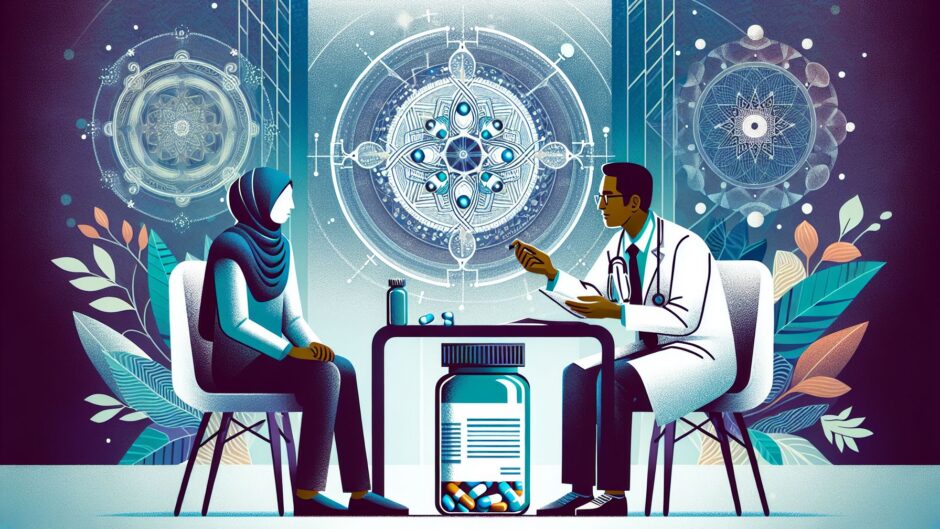
While medicines undoubtedly contribute to enhanced patient outcomes, it is crucial to approach their use with caution. Healthcare providers play a vital role in finding the right balance between maximizing the benefits of medicines and minimizing potential risks. Thorough understanding of a patient’s medical history, appropriate dosage, and regular monitoring are essential in ensuring safe usage.

Moreover, patients must actively participate in their treatment by adhering to medication regimens, reporting side effects, and discussing concerns with their healthcare providers. Open communication and trust between patients and healthcare professionals are vital for optimizing treatment outcomes and ensuring comprehensive care.

Conclusion

The impact of medicines on patient health and well-being cannot be overstated. These remarkable compounds have revolutionized medical care, alleviating pain, curing diseases, and extending lives. While we embrace the immense potential of future advancements, it is essential to approach medicines with a balanced mindset, harnessing their benefits while mitigating risks. By working together, healthcare providers and patients can continue to harness the power of medicines, making a positive difference in countless lives.

The Power of Medicines: Healing Patients One Pill at a Time

Medicines – small but mighty resources that have revolutionized the healthcare industry over the years. These tiny tablets, capsules, and syrups have an incredible ability to alleviate symptoms, manage chronic conditions, and even cure diseases. With extensive research and development, medicines have become a lifeline for countless patients, enabling them to lead healthier and more fulfilling lives. In this blog post, we will explore how medicines help patients, emphasizing the crucial role they play in our well-being.

The Magic Begins: How Medicines Work

Before we delve into the benefits, it’s essential to understand how medicines work their magic. At their core, medicines contain active ingredients that interact with specific biological targets in the body. This interaction can alter chemical signals, block or enhance them, or aid in the production of critical substances our bodies need. By precisely targeting these mechanisms, medicines can relieve pain, reduce inflammation, fight infections, regulate imbalances, and so much more.

Bridging the Gap: Symptom Relief and Management

Medicines are often first sought to alleviate symptoms that impact our daily lives. Whether it’s a splitting headache, a persistent cough, or intolerable pain, these tiny wonders step in to minimize discomfort and provide much-needed relief. By targeting the root causes of symptoms, medicines address the underlying issues, working as a bridge between discomfort and a return to normalcy.

Furthermore, medicines play a vital role in managing chronic conditions effectively. Conditions like diabetes, hypertension, and mental health disorders require ongoing treatment to maintain stability and prevent complications. Medications tailored to these conditions help patients lead fulfilling lives by regulating bodily functions, controlling blood sugar levels, reducing risks, and managing symptoms systematically.

Turning the Tide: The Fight Against Diseases

Medicines have been a game-changer in tackling various diseases, both acute and chronic. Antibiotics, for instance, have revolutionized the treatment of bacterial infections and saved countless lives since their discovery. Antivirals have emerged as crucial weapons against viral outbreaks, bridging the gap until vaccines become available. Medicines also aid in reducing the intensity and frequency of asthma attacks, minimizing the impact of autoimmune diseases, and even slowing down the progression of cancer.

Additionally, medicines are a driving force behind immunizations, preventing deadly diseases altogether. Vaccines are potent solutions that train our immune systems to recognize and eliminate specific pathogens efficiently. Thanks to widespread vaccination campaigns, diseases such as polio and measles, which once ravaged populations, are now effectively controlled and even eradicated in some regions.

Trust the Process: The Medical Journey

It is essential to remember that medicines are never standalone solutions. They are part of a broader medical journey that relies on accurate diagnosis, appropriate prescriptions, and careful monitoring by healthcare professionals. Moreover, patients’ adherence to prescribed medication regimens is critical for maximizing the benefits medicines offer.

It’s important to consult healthcare experts regularly, provide them with complete medical histories, and follow their instructions diligently. Open communication, trust, and shared decision-making are vital components of this process, ensuring the optimal use of medicines and achieving the best outcomes.

Conclusion

In conclusion, the impact of medicines on patient care cannot be overstated. From providing much-needed relief and managing chronic conditions to fighting deadly diseases, they play a pivotal role in keeping us healthy. The continuous advancements in pharmaceutical research and development offer hope for even more effective solutions in the future. However, it is crucial always to approach medicines with responsibility and seek professional guidance to unlock their full potential. So let us embrace the power of medicines, as they are our partners in the journey towards a healthier and happier life.

The Power of Medicines: Transforming Lives and Restoring Hope

Medicines play a key role in our lives, offering a lifeline to those facing various health conditions. They have revolutionized the world of healthcare, providing relief, healing, and hope to millions of patients worldwide. From chronic illnesses to acute conditions, medicines have the power to restore vitality, alleviate symptoms, and improve the overall quality of life. In this article, we explore the remarkable ways in which medicines help patients, making a profound difference in their well-being.

A Pathway to Healing

Medicines pave the way for healing by directly targeting the root causes of diseases. Whether it’s fighting infectious pathogens or suppressing abnormal cellular activity, medicines work on multiple levels to restore health and balance. Antibiotics, for instance, are instrumental in combating bacterial infections by destroying harmful bacteria, saving countless lives in the process. Other medications, such as antivirals or antiparasitics, work similarly to eradicate viruses and parasites.

Moreover, medicines are indispensable in managing chronic conditions. Patients suffering from ailments like diabetes, hypertension, or arthritis rely on daily medication to control symptoms and prevent complications. These ongoing treatments allow individuals to maintain stable health, enabling them to lead fulfilling lives and pursue their passions. Without medicines, many chronic conditions would lead to severe debilitation, hampering patients’ abilities to perform routine tasks and participate in society.

Relieving Pain and Discomfort

Pain, both physical and emotional, can be debilitating. Thankfully, medicines offer immense relief to patients by alleviating pain and discomfort. Over-the-counter analgesics like acetaminophen or ibuprofen provide quick relief from common ailments such as headaches, toothaches, or muscle pain. For more severe or chronic pain, healthcare professionals often prescribe stronger painkillers, enabling patients to find respite and engage in daily activities more comfortably.

Psychotropic medications, including antidepressants and anti-anxiety drugs, contribute to the restoration of mental well-being by addressing imbalances in brain chemistry. They help patients by alleviating symptoms associated with mood disorders, fostering overall emotional stability, and improving cognitive function. For individuals suffering from conditions like depression or anxiety, these medications can be a true game-changer, enabling them to regain control of their lives and find new hope.

Enhancing Quality of Life

The positive impact of medicines on a patient’s quality of life cannot be overstated. By addressing symptoms and underlying causes, medications have the power to improve overall well-being and functionality. For instance, bronchodilators provide relief for individuals with respiratory conditions, allowing them to breathe more easily and engage in physical activities that were previously challenging.

Medicines formulated to manage chronic conditions are designed to optimize patients’ health. By preventing disease progression and minimizing symptoms, these medications grant individuals the opportunity to live longer, more fulfilling lives. The ability to experience the small joys of life, with fewer limitations, has a profound effect on a patient’s mental and emotional state, deeply improving their outlook on life.

Conclusion

Medicines have truly revolutionized healthcare, shaping the way we approach and treat various conditions. From acute ailments to chronic diseases, they serve as a lifeline, bringing relief, healing, and hope. By directly addressing the root causes of illnesses, medicines have the power to transform lives and enhance the overall quality of life for patients. With ongoing advancements in medical research and technology, we can continue to rely on medicines as a beacon of hope, shining brightly in the realm of healthcare.

Medicines: Helping Patients Heal

Medicines serve an integral role in healthcare, playing a crucial part in patients’ journeys towards recovery. Whether it’s combating disease, alleviating symptoms, or managing chronic conditions, medications contribute significantly to improving patients’ quality of life. In this article, we will explore how medicines help patients regain health and well-being through their diverse mechanisms and beneficial effects.

I. Introduction to Medicines: A Brief Overview

Medicines encompass a broad range of substances, including prescription drugs, over-the-counter treatments, and supplements, all designed to prevent, cure, or manage health issues. These pharmaceutical interventions act on specific biological targets within the body, affecting various processes and functions. Understanding these mechanisms helps healthcare professionals tailor treatment regimens to individual patients effectively.

II. Primary Functions of Medicines

A. Disease Treatment and Cure

Medications play a pivotal role in treating and curing diseases by targeting the underlying causes or symptoms. Antibiotics, for example, are commonly used to eliminate bacterial infections, while antiviral drugs can control viruses. Specific medications, like antineoplastic agents, are designed to combat cancer cells, providing patients with hope for remission.

B. Symptom Relief and Management

In instances where diseases cannot be completely cured, medicines provide crucial symptom relief and management. Painkillers, for example, alleviate discomfort, ensuring patients can rest and heal. Similarly, medications help control symptoms associated with chronic conditions such as diabetes, arthritis, or asthma, enabling individuals to lead fulfilling lives despite their illness.

C. Preventive Measures

Preventive medicines serve as shields against diseases, reducing the risk of acquiring certain illnesses. Vaccines are prime examples of preventive interventions that stimulate the immune system to recognize and neutralize potential threats. By protecting individuals against viruses and bacteria, vaccines have led to significant reductions in the prevalence of diseases like polio, measles, and influenza.

III. The Importance of Medication Adherence

To experience the full benefits of medicines, patients must adhere to prescribed regimens. Following dosage instructions, timeframes, and duration plays a crucial role in maximizing the therapeutic effect. Adherence also prevents the development of drug resistance and reduces the likelihood of adverse effects.

However, medication adherence can be challenging for patients due to factors such as forgetfulness, complex dosing schedules, or concerns about side effects. Healthcare providers and pharmacists play a crucial role in addressing these challenges, offering guidance and support to ensure patients take their medications correctly and regularly.

IV. Advancements in Medicines: Unlocking New Possibilities

The field of medicine continually evolves, with innovative drugs and treatments offering new possibilities for patients. Advances in genetics have paved the way for personalized medicine, allowing treatments to be tailored to individuals based on their genetic makeup. Nanomedicine brings opportunities for targeted drug delivery, increasing the efficacy and minimizing side effects. These breakthroughs promise a brighter future for patients, providing hope for better outcomes and improved overall well-being.

V. Conclusion

Medicines are powerful tools that aid in healing, managing symptoms, and preventing disease. From treating acute illnesses to managing chronic conditions, these pharmaceutical interventions have revolutionized patient care. Medication adherence, guided by healthcare professionals, ensures that patients derive the maximum benefits from these therapies. Moreover, with ongoing advancements, medicines will continue to hold the key to unlocking new frontiers in healthcare, improving patients’ lives, and offering hope for a healthier future.

The Incredible Power of Medicines in Improving Patient Health

Medicines have revolutionized the healthcare industry by providing a multitude of treatment options for various ailments. From minor illnesses to life-threatening diseases, pharmaceutical advancements have significantly improved patient outcomes. This blog post explores the incredible power of medicines in helping patients and enhancing their overall well-being.

The Impressive Impact of Medicines

Medicines play a vital role in managing and alleviating symptoms of numerous illnesses. They target specific conditions and provide relief to patients, helping them regain control over their health. By combating infections, reducing pain, or controlling chronic diseases, medicines have the potential to enhance the quality of life for millions of individuals.

Moreover, pharmaceuticals have a crucial role in preventing the progression of diseases. Vaccines, for instance, are an extraordinary feat of medical research and have eradicated or significantly reduced the occurrence of various infectious diseases. These life-saving interventions have undoubtedly saved countless lives and protected entire populations from devastating outbreaks.

Addressing Acute and Chronic Conditions

Medicines are designed to address both acute and chronic conditions. In the case of acute illnesses, such as common colds or influenza, medications help to alleviate symptoms and speed up the recovery process. Over-the-counter drugs like painkillers or decongestants provide temporary relief from discomfort, allowing individuals to resume their daily activities.

On the other hand, chronic diseases often require long-term treatment plans. Conditions like diabetes, hypertension, or asthma necessitate regular intake of medications to control symptoms and minimize potential complications. Medicines designed for chronic conditions are instrumental in managing the disease, slowing its progression, and improving the patient’s overall quality of life.

Transformation in Disease Management

In recent years, significant advancements have been made in the field of precision medicine. This approach tailors treatments to each patient’s unique genetic makeup, enabling more effective and personalized therapies. With the advent of targeted therapies and immunotherapies, diseases such as cancer that were once considered fatal have become more manageable.

For instance, certain cancer medications target specific genetic mutations, inhibiting the growth of malignant cells without harming healthy tissues. Such breakthrough treatments have facilitated remarkable recoveries and increased survival rates among cancer patients. By constantly pushing the boundaries of medical innovation, scientists and researchers continue to discover pharmacological solutions to some of humanity’s most pressing health challenges.

Ensuring Safety and Efficacy

However, it is crucial to recognize that medications must undergo rigorous testing and scrutiny before they enter the market. Regulatory authorities and clinical trials play a fundamental role in assessing the safety and efficacy of pharmaceutical products. This careful evaluation process safeguards patients from potential harm and ensures that they receive treatment that has been thoroughly tested and approved for use.

Additionally, healthcare professionals also play a critical role in guiding patients through their medication journey. They prescribe the most suitable drugs, educate patients about correct usage and potential side effects, and monitor their progress. This multidisciplinary approach ensures that patients receive appropriate medications while minimizing the risk of adverse reactions.

In Conclusion

Medicines are a cornerstone of modern healthcare, offering patients hope, relief, and prolonged life expectancy. They empower individuals to take charge of their health, manage chronic conditions effectively, and overcome diseases that were once deemed incurable. While continued research and pharmaceutical innovation are essential, we can appreciate the incredible strides already made in the medical field. Medicines have undeniably transformed patient care, leading to healthier, happier lives for countless individuals worldwide.