The Seed of Inspiration
The world of clothing design begins with a spark of inspiration. Designers often draw from a variety of sources, including art, culture, and history. A prevalent trend that has made a significant resurgence is old money fashion, characterized by timeless elegance and classic silhouettes. This style emphasizes quality fabrics, tailored fits, and subtle colors, standing in stark contrast to fast fashion trends.
The initial phase of a designer’s journey involves brainstorming concepts and sketching ideas. Designers often create mood boards that incorporate various elements, such as color palettes, fabric swatches, and inspirational imagery. This process sets the stage for the entire collection and helps define the vision that will be translated into garments.
The Design Process
Once the concept is established, the design process delves deeper into creating the actual garments. This stage involves several steps:
- Sketching: Designers produce detailed sketches, showcasing the styles, proportions, and potential fabric choices.
- Pattern Making: A crucial step where the sketches are transformed into patterns, providing the blueprint for the clothing.
- Prototyping: A sample garment is created, which allows designers to assess fit, construction, and overall aesthetics.
- Adjustment: Designers refine their prototypes based on feedback and findings, addressing any issues before moving to production.
Choosing Fabrics
The choice of fabric plays a pivotal role in clothing design. It can impact the garment’s appearance, comfort, and wearability. Designers often work closely with fabric suppliers to select textiles that align with their vision and the intended use of the clothing. Sustainable and high-quality materials are increasingly becoming a preference, mirroring the ethos of old money fashion that values longevity and craftsmanship over disposability.
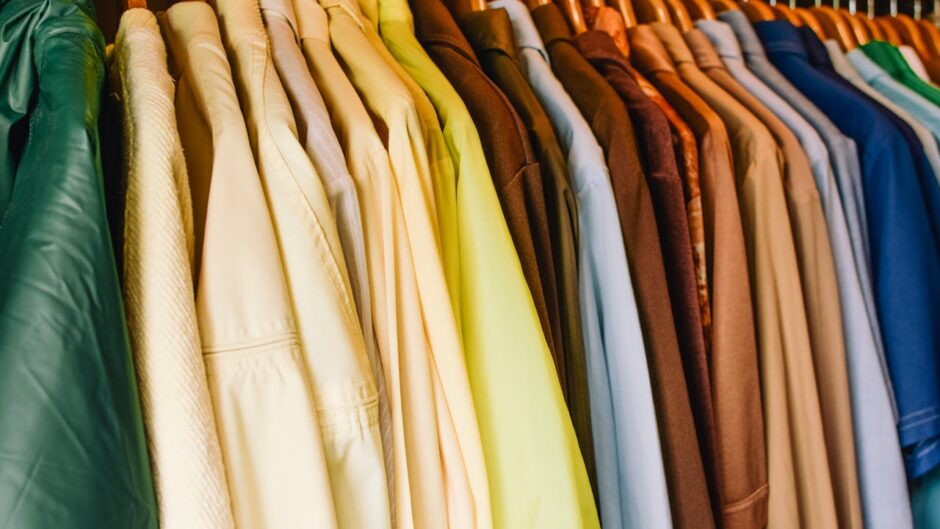
Fabrics can vary widely, from luxurious silks and wools to more casual cottons and linens. Each fabric brings its own character, and designers must consider factors like weight, drape, texture, and how the material will hold up over time. The right choice can elevate a garment, adding depth to its design.
Production and Sourcing
After finalizing the designs and selecting fabrics, the next phase involves production. Designers must either oversee manufacturing in-house or collaborate with factories. Ethical sourcing has become increasingly important, as consumers are more aware of the impacts of their purchasing choices.
The production stage also includes quality control measures to ensure every piece meets the desired standards. Skilled artisans often painstakingly create each item, which is essential when aiming to replicate the exceptional craftsmanship synonymous with old money fashion.
Marketing and Launching the Collection
Once the garments are produced, it’s time to unveil the collection to the world. Marketing strategies play an integral role in how a collection gains traction. This includes everything from promotional campaigns to social media outreach. Fashion shows are also a traditional method of launching new collections, providing a platform for designers to showcase their work to potential buyers and media.
As the collection hits stores or becomes available online, designers monitor sales and consumer feedback. This insight helps shape future collections and informs whether certain designs resonate with the target market.
The Evolution of the Design Journey
The journey from concept to closet is an intricate tapestry woven with creativity, materials, and craftsmanship. As the world evolves, so does the fashion landscape, yet the essence of timeless style remains a constant pursuit. Designers continue to embrace the foundational principles of elegance found in old money fashion while innovating to meet modern tastes.
Cultivating respect for heritage styles while incorporating fresh perspectives allows clothing design to be a continual exploration of originality and expression. Each garment carries a story, reflecting not only the designer’s vision but also the dynamic interplay between past influences and future possibilities.