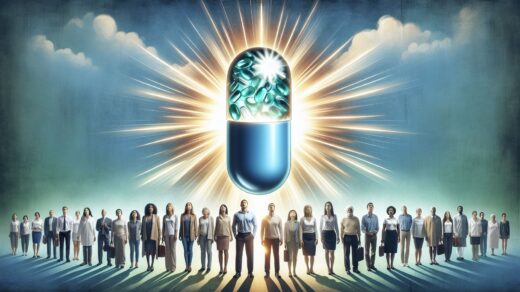
Medicines have undoubtedly revolutionized the field of healthcare, offering remarkable benefits to patients around the world. From preventing diseases to alleviating symptoms, medications play a vital role in improving the overall well-being of individuals. This article explores the profound impact medicines have on patients’ lives, acknowledging their ability to heal and transform.
The Introduction of Medicines
The emergence of medicines can be traced back to ancient civilizations, where natural remedies were used to treat ailments. Over time, the development of scientific knowledge and advancements in technology led to the creation of modern drugs. Since then, the pharmaceutical industry has made incredible strides in researching and producing effective medications to combat illnesses.
Combating Diseases and Infections
One of the most significant benefits of medicines is their ability to fight against diseases and infections. Antibiotics, for instance, have revolutionized the treatment of bacterial infections, saving countless lives. Similarly, antiviral medications have proven invaluable in managing viral diseases like HIV, allowing patients to lead longer and healthier lives.
Alleviating Symptoms and Improving Quality of Life
Not only do medicines combat diseases, but they also play a crucial role in alleviating symptoms, thereby improving patients’ overall quality of life. Painkillers, such as opioids or nonsteroidal anti-inflammatory drugs (NSAIDs), effectively relieve discomfort and allow individuals to carry out their daily activities unhindered. Additionally, medications targeting mental health conditions, such as antidepressants or antianxiety drugs, have transformed the lives of millions by easing their emotional distress and restoring emotional balance.
Preventive Measures and Immunization
In addition to treating existing ailments, medications are essential in preventing diseases altogether. Vaccines have proven to be highly effective tools for immunization against various infectious diseases, preventing epidemics and saving lives worldwide. By introducing a weakened or deactivated form of a pathogen into the body, vaccines stimulate the immune system, training it to recognize and defend against future infections.
The Importance of Compliance
To ensure the maximum effectiveness of medicines, it is imperative for patients to adhere to their prescribed treatment plans. Compliance, or the practice of following medication schedules as directed, greatly influences the success of therapy. Doctors and healthcare professionals play a vital role in educating patients about the benefits and potential side effects of their prescribed medications, encouraging them to consistently take their recommended doses.
The Future of Medicines
As medical science continues to advance, the future of medicines appears promising. With ongoing research, innovative therapies and targeted treatments are being developed to address previously untreatable conditions. Precision medicine, for example, tailors treatment plans to match individuals’ unique genetic and biological makeup, enhancing both efficiency and effectiveness.
Conclusion
Medicines have transformed the field of healthcare, offering patients hope, relief, and an improved quality of life. From tackling diseases and managing symptoms to preventing infections altogether, these powerful interventions have emerged as the lifeline of countless individuals worldwide. Through adherence to prescribed treatment plans and ongoing advancements, medicines will continue to shape a healthier and brighter future for all.