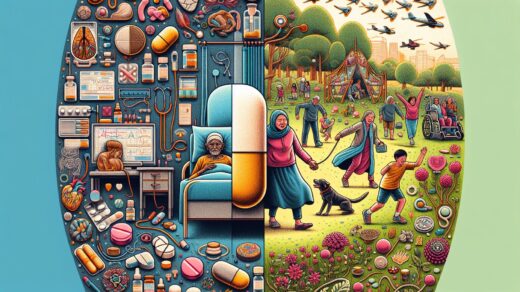
Medicines play a pivotal role in the healthcare industry, enabling patients to combat various diseases and ailments. From a mild headache to life-threatening conditions, medicines alleviate symptoms, treat illnesses, and enhance overall well-being. In this article, we will delve into the significance of medicines in patient care and explore how they bring relief, recovery, and hope.
Introduction: Empowering Patients through Medicines
Healthcare professionals and pharmaceutical advancements have revolutionized patient care by developing medicines that address a wide range of health issues. Not merely confined to curing illnesses, medications enhance the quality of life for countless individuals worldwide. By understanding the proper usage, potential side effects, and the science behind medications, patients can actively participate in their own treatment, allowing medicines to become an empowering tool.
The Role of Medicines: Alleviating Symptoms and Treating Diseases
Medicines serve as a powerful tool to alleviate distressing symptoms experienced by patients. Painkillers, for instance, offer much-needed relief from moderate to severe pain, allowing individuals to function and maintain a better quality of life. Anti-inflammatory medications likewise subdue inflammation in various conditions, reducing swelling, redness, and discomfort.
Moreover, medicines effectively target microscopic disease agents, thus treating illnesses at their root. Antibiotics combat bacterial infections, preventing their proliferation and aiding in a speedy recovery. Antiviral medications directly inhibit viral replication, alleviating symptoms of common viral illnesses such as influenza or the common cold. The development of vaccines provides protection against numerous diseases, preventing their occurrence altogether.
Chronic Conditions: Management and Control
Medications also play a crucial role in the management and control of chronic conditions. Patients suffering from chronic diseases, such as diabetes or hypertension, often rely on medications to regulate their condition and maintain stable health. By meticulously adhering to prescribed medication regimes, patients can prevent complications and significantly improve their long-term prognosis. The effective management of chronic conditions through medicines enables individuals to lead fulfilling and productive lives.
Side Effects: Understanding and Minimizing Discomfort
While medicines offer immense benefits, it is important to acknowledge their potential side effects. Not all individuals experience side effects, and in many cases, they are mild and transient. Healthcare professionals extensively study medications to identify and warn about potential side effects, allowing patients to make informed decisions. Often, increasing fluid intake or taking medication with food can alleviate discomfort. It is vital for patients to discuss any concerns or discomfort with their healthcare provider to address such issues promptly.
Conclusion: The Gateway to Relief and Recovery
Medicines are a cornerstone of patient care, providing relief from symptoms, treating diseases, and managing chronic conditions. Their importance in healthcare cannot be overstated, as they pave the way for recovery and restore hope in the face of illness. By actively engaging in their treatment plans and partnering with healthcare professionals, patients can harness the power of medicines to lead healthier, more fulfilling lives. It is important to recognize the invaluable contribution of medicines in patient care and continue to invest in research and development, ensuring the availability and effectiveness of these life-changing substances.