My Blog

The Life-Saving Magic of Medicines: How They Help Patients

Medicines are remarkable substances that have revolutionized the field of healthcare and saved countless lives. In our world of constant medical advancements, it is essential to acknowledge the critical role medicines play in improving the health and well-being of patients. From managing chronic conditions to curing acute illnesses, medicines offer hope and relief in times of distress.

The Power of Medicines in Healthcare

Medicines serve a variety of purposes, and they are primarily designed to prevent, diagnose, treat, and cure diseases. These magical compounds are developed through rigorous research, clinical trials, and regulatory approvals to ensure both safety and efficacy. Once available on the market, they are prescribed by healthcare professionals to patients who require them for medical management, recovery, or prevention.

The benefits of medicines extend beyond mere symptom relief. They aim to target the root cause of an illness, assisting the body in healing itself and often leading to complete recovery. Without medicines, the consequences of several conditions, whether common or severe, would be devastating and potentially fatal.

Improved Quality of Life

One of the primary objectives of modern medicine is enhancing the quality of life for patients. Chronic conditions such as diabetes, hypertension, or asthma can significantly impact a person’s daily life and overall well-being. Medicines empower patients to manage these conditions effectively, allowing them to lead a more normal and fulfilling life.

For instance, someone living with diabetes can rely on insulin or other oral medications to regulate blood sugar levels. By controlling their glucose levels, they can prevent complications and maintain a constant state of health. Similarly, people with high blood pressure can take prescribed medications to keep their levels within a safe range, preventing the risk of heart disease or stroke. Medicines provide comfort and stability, allowing patients to pursue their dreams and aspirations unhindered by their medical conditions.

Treating Acute Illnesses

In addition to managing chronic diseases, medicines play a critical role in the treatment of acute illnesses. When faced with infections, bacterial or viral, medications such as antibiotics or antivirals are prescribed to combat the invading pathogens. These medications not only alleviate symptoms but also target the source of the infection, significantly reducing recovery time.

Beyond infections, medicines are vital in post-operative care, pain management, and wound healing. They alleviate pain, reduce inflammation, prevent infections, and enhance the recovery process. Successful surgeries and recoveries owe much to the skilled hands of surgeons, medical professionals, and, of course, the appropriate medications administered throughout the patient’s journey.

The Importance of Responsible Medication Use

While medicines are indisputably powerful tools in healthcare, it is crucial to approach their use responsibly. Patients must follow the prescribed dosage, frequency, and duration precisely as instructed by healthcare providers. Deviating from these guidelines may lead to adverse effects and reduce the effectiveness of treatment.

Additionally, patients should maintain open and honest communication with their healthcare teams. Informing them of any known allergies, previous adverse reactions, or current medications can help prevent complications and ensures the most suitable medication is prescribed.

Conclusion

Medicines are a fundamental pillar of our healthcare system and have transformed patient outcomes worldwide. From improving the quality of life for those with chronic conditions to effectively treating acute illnesses, medicines are the lifeblood of modern medicine. However, responsible medication use is equally vital to harness their full potential. By prescribing and using medications wisely, we can unlock the life-saving magic of medicines and provide hope, health, and relief to patients in need.
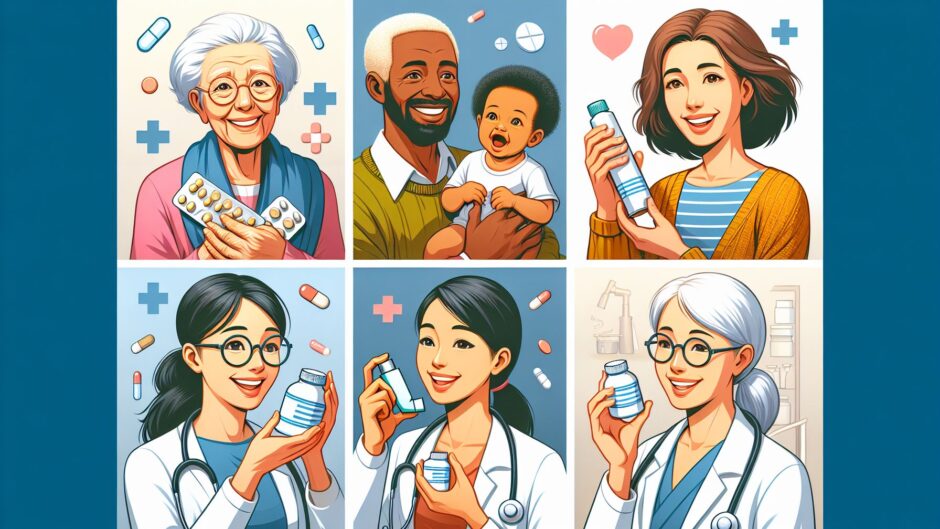
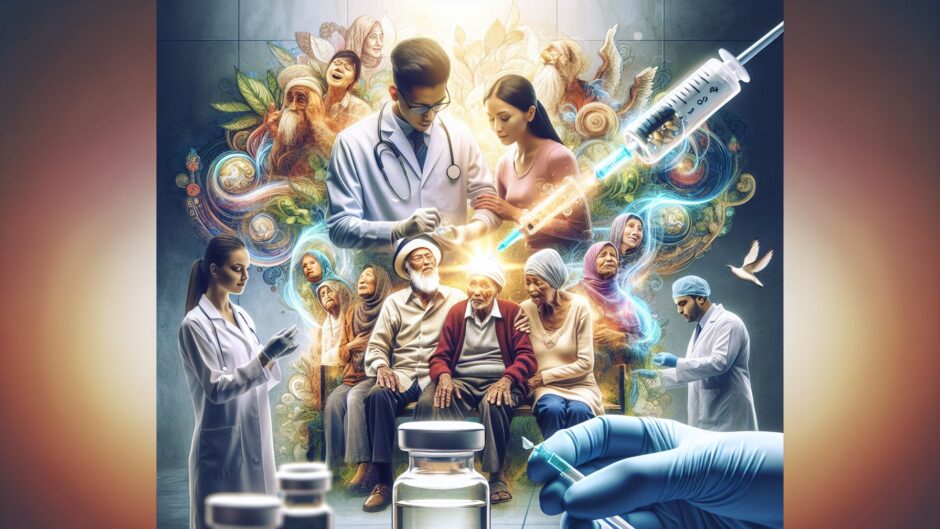
The Power of Medicines: Enhancing Patients’ Lives

Medicines have revolutionized healthcare, transforming the way diseases are managed and providing hope to millions of patients worldwide. From pain relief to life-saving treatments, the advancements in medical science have resulted in an array of medications that improve the quality of life for countless individuals. In this blog post, we will explore the profound impact of medicines on patients and how they empower individuals to live healthier and happier lives.

The Introduction: A Beacon of Hope

When patients receive a diagnosis, it often feels like their world has been shattered. Diseases and health conditions can be debilitating, causing physical discomfort and emotional distress. However, the development and availability of medicines offer a glimmer of hope for these patients. By managing symptoms, slowing disease progression, or even providing a cure, medicines are a beacon of hope to those who are suffering.

The Body: Medicines as Game-Changers

  1. Relieving Symptoms: Medicines are potent tools for managing symptoms such as pain, fever, inflammation, and cough. They provide relief, allowing patients to carry on with their daily lives comfortably. From over-the-counter painkillers to prescription medications, these drugs can alleviate discomfort and enable individuals to focus on their well-being.

  2. Treating Diseases: Beyond alleviating symptoms, medicines can significantly impact the course of numerous diseases. Antibiotics, for example, are effective in combating bacterial infections, potentially saving lives. Chemotherapy drugs have revolutionized cancer treatment, destroying cancer cells and increasing survival rates. By targeting the root causes of diseases, medicines can halt their progression and improve patients’ outcomes.

  3. Preventing and Managing Chronic Conditions: Medications play a crucial role in managing chronic diseases such as diabetes, hypertension, and asthma. By helping regulate blood sugar levels, controlling blood pressure, or reducing airway inflammation, they empower patients to lead healthier lives. Medicines for chronic conditions reduce the risk of complications and enable individuals to engage in their daily activities with minimal disruption.

  4. Enhancing Mental Well-being: The impact of medicines extends beyond physical ailments. Mental health disorders, like depression, anxiety, and bipolar disorder, can severely impair an individual’s quality of life. Medications targeting these conditions have been game-changers, providing relief, stabilizing moods, and enabling individuals to regain control over their lives. By restoring a sense of balance, mental health medications allow patients to focus on their overall well-being.

The Conclusion: A Tool for Empowerment

Medicines are undoubtedly powerful agents of change in the world of healthcare. They offer solace to patients, alleviating their suffering and providing a newfound sense of hope. From relieving symptoms to drastically improving disease outcomes, medications empower individuals to take charge of their health and live fulfilling lives.

However, it’s crucial to highlight the importance of proper medication management. Patients must work closely with healthcare professionals to ensure the safe and effective use of medications. Regular consultations, adherence to prescribed dosage, and reporting any side effects are essential steps toward maximizing the benefits of medicines while minimizing potential risks.

As we continue to witness advancements in medical science, it is vital that access to medicines is equitable and affordable. Governments, healthcare organizations, and pharmaceutical companies must collaborate to ensure that lifesaving medications reach all those in need, regardless of their socioeconomic status. With a collective effort, we can harness the power of medicines to create a healthier, more inclusive world for all.

The Power of Medicines: Enhancing Lives and Restoring Health

Medicines play a vital role in modern healthcare, helping to improve the lives of millions of patients worldwide. With advancements in medical research and the development of innovative pharmaceuticals, the power of medicines has never been more apparent. From managing chronic conditions to curing infectious diseases, these remarkable substances are transforming healthcare and offering hope to patients in need.

A Pill of Relief: The Introduction of Medicines

Since the discovery of the first effective medication, medicines have revolutionized the way we treat illnesses and ailments. They have allowed medical professionals to target specific diseases, alleviate symptoms, and sometimes even cure patients. Moreover, medicines have enabled many individuals to live fulfilling lives despite their health conditions.

The advent of antibiotics, for example, marked a turning point in the fight against bacterial infections. Once-deadly diseases like pneumonia and tuberculosis became treatable, saving countless lives. Similarly, antiretroviral drugs have transformed HIV from a nearly fatal diagnosis to a manageable chronic condition. These breakthroughs demonstrate the remarkable potential of medicines in enhancing patients’ well-being.

Tailoring Treatment: The Body of Precision Medicine

One of the greatest benefits of medicines is their ability to tailor treatment plans to individual patients. Precision medicine takes into account various factors such as genetics, lifestyle, and environmental influences to determine the most effective course of action for each person’s unique circumstances.

Personalized medicine has become particularly significant in the field of cancer treatment. By identifying cancer subtypes and specific genetic mutations, doctors can prescribe targeted therapies to attack cancer cells while minimizing damage to healthy tissue. This approach not only increases the chances of successful treatment but also reduces unwanted side effects, improving patients’ quality of life during their battle against cancer.

Furthermore, medicines have proven crucial in managing chronic conditions, such as hypertension, diabetes, and asthma. By carefully adjusting medications and monitoring patients’ responses, healthcare providers can help individuals maintain stable health and prevent exacerbations. These pharmaceutical interventions, along with lifestyle modifications, empower patients to lead active and productive lives despite their lifelong conditions.

Side by Side: Medicines and Supportive Care

While medicines are undoubtedly powerful tools, they are most effective when combined with holistic supportive care. Additional interventions such as physical therapy, mental health counseling, and lifestyle modifications work hand in hand with medication to optimize patient outcomes.

For instance, in the treatment of mental health disorders, medications address chemical imbalances in the brain, while therapies like cognitive-behavioral therapy assist patients in developing coping mechanisms. By considering the broader needs of patients, healthcare professionals can create comprehensive care plans that address the root causes of illness and promote long-term well-being.

A Future of Hope: Looking Ahead

As medical research continues to progress, the potential of medicines to transform and save lives is boundless. Scientists are actively exploring groundbreaking fields such as gene therapy, stem cell treatments, and immunotherapies. These emerging areas hold immense promise for the future, potentially offering cures for currently incurable conditions.

Furthermore, ongoing efforts are being dedicated to improving accessibility to medicines globally, ensuring that patients in all corners of the world can benefit from these life-enhancing interventions. Collaborations between governments, non-profit organizations, and pharmaceutical companies are helping to reduce healthcare inequalities and broaden access to essential medications.

A Final Dose of Inspiration: The Conclusion

When it comes to healthcare, the importance of medicines cannot be overstated. From their significant impact in managing chronic conditions to their potential to eradicate diseases, medicines offer hope and relief to countless patients. Combined with comprehensive and patient-centered care, they have the power to transform lives and enhance well-being.

As we look ahead, the future of medicine holds immense promise. It is through continued research, innovation, and collaboration that we can harness the full potential of medicines, ensuring that patients receive the care they need and deserve. Together, let us embrace the power of medicines and pave the way for a healthier and brighter tomorrow.

The Power of Medicines: Enhancing Lives, One Pill at a Time

Medicines have played a vital role in improving the quality of life for countless individuals around the world. From life-threatening conditions to everyday ailments, these miracle substances have the power to alleviate suffering and restore health. By harnessing the power of science and innovation, medicines continue to enhance lives, allowing patients to thrive and conquer their battles. In this article, we will explore how medicines help patients in various ways and why they are truly a remarkable gift to humanity.

The Healing Touch of Medicines

Medicines come in various forms, including pills, injections, creams, and even inhalers. Regardless of their delivery method, medicines work by directly targeting the root cause of an illness or alleviating its symptoms. For instance, antibiotics fight and eliminate bacterial infections, painkillers provide relief from excruciating discomfort, and antihistamines bring respite to those plagued by allergies.

By effectively managing chronic conditions, medicines empower patients to lead full and productive lives. Medications like insulin become a lifeline for individuals with diabetes, while antidepressants can lift the heavy burden of mental health disorders. These drugs not only relieve symptoms but also allow patients to regain control over their lives and pursue their goals with renewed energy.

Advancements Fueling Innovation

Advancements in medical research and technology have paved the way for groundbreaking pharmaceutical discoveries. The development of vaccines, such as those protecting against measles, polio, and hepatitis, has revolutionized global health and saved countless lives. Additionally, the emergence of targeted therapies and precision medicine has brought customized treatment options for patients with complex diseases like cancer, significantly improving their outcomes and survival rates.

In recent years, the advent of novel therapies has transformed the lives of individuals with rare diseases, who often struggle to find appropriate treatment. Gene therapies, for example, have the potential to correct genetic abnormalities, offering hope to patients with conditions that were previously deemed untreatable. Such innovative treatments not only enhance patient well-being but also bring optimism to medical professionals, motivating them to delve deeper into the realms of scientific exploration.

Medicine: a Catalyst for Progress

Beyond their immediate effects, medicines have far-reaching implications that extend to society as a whole. When individuals overcome illness or manage chronic conditions, they can actively contribute to their communities and the economy. By unlocking human potential, medicines foster progress, driving innovation, creativity, and productivity.

Moreover, medicines have the power to eradicate diseases once thought to be insurmountable. For instance, the global effort to combat HIV/AIDS is making great strides, thanks to antiretroviral medications that suppress the virus and prevent its transmission. Similarly, the pharmaceutical industry’s continuous efforts to develop effective treatments for malaria, tuberculosis, and other infectious diseases bring hope for a future free from these devastating ailments.

Conclusion

Medicines are an indispensable tool in modern healthcare, forming the backbone of patient treatment and care. Their ability to alleviate suffering, manage chronic conditions, and cure life-threatening illnesses is nothing short of extraordinary. Moreover, medicines foster progress, not only by enhancing individual lives but also by creating a ripple effect that positively impacts society as a whole.

As we continue to embrace the remarkable strides in medical research, it is crucial to recognize and appreciate the role medicines play in improving lives. It is through our ongoing commitment to supporting scientific advancements and ensuring equal access to medicines that we can truly harness their incredible potential and pave the way towards a healthier, brighter future for all.

Medicines: Helping Patients Find Relief

Medicines play a crucial role in today’s healthcare system, providing much-needed relief to patients across the world. Whether it’s combating an illness, managing chronic conditions, or alleviating pain, these vital tools have the power to transform lives. With constant advancements in the pharmaceutical industry, innovative medications offer patients hope, promising a better quality of life. In this article, we will delve into the significant ways medicines help patients, discussing their impact on various aspects of healthcare.

The Power to Heal and Cure

One of the primary purposes of medicines is to heal and cure. Infections, diseases, and ailments can wreak havoc on the human body, leaving individuals in pain and discomfort. Medications provide the means to combat these afflictions head-on. Antibiotics, for instance, target bacterial infections, eradicating harmful bacteria and restoring patients’ health. Similarly, antivirals combat viruses like influenza or HIV, empowering patients to recover and resume their daily lives. By eliminating pathogens, medicines act as superheroes, defending our bodies and allowing us to thrive.

Managing Chronic Conditions

Medicines also play a vital role in managing chronic conditions that persist over extended periods. Chronic diseases such as diabetes, asthma, or hypertension require long-term treatment, and medications facilitate this process. With appropriate drug therapy, patients can control their symptoms, reduce the risk of complications, and lead fulfilling lives despite their conditions. From insulin for diabetes to inhalers for asthma, pharmaceutical interventions empower patients to regain control of their health and well-being.

Alleviating Pain and Improving Comfort

Pain has always been an inherent part of the human experience. However, medicines offer respite by alleviating pain and improving overall comfort. Analgesics like acetaminophen or ibuprofen provide relief from mild to moderate pain, allowing patients to continue their daily activities uninterrupted. In more severe cases, opioids are prescribed to manage severe pain, such as post-operative or cancer-related discomfort. By effectively addressing pain, medicines not only offer physical relief but also contribute to patients’ emotional well-being.

Enhancing Mental Health

Beyond physical ailments, medicines have proven to be instrumental in enhancing mental health and treating psychiatric disorders. Conditions like depression, anxiety, bipolar disorder, and schizophrenia can significantly impact an individual’s daily life. However, breakthrough medications for mental health conditions have transformed treatment options in recent years. Antidepressants, mood stabilizers, and antipsychotics have resulted in improved symptom management and a better quality of life for countless patients. By tackling mental health challenges, these medicines ensure individuals can participate actively in society and experience enhanced emotional well-being.

Conclusion

In a world where diseases and ailments prevail, medicines emerge as a beacon of hope. By healing, managing chronic conditions, alleviating pain, and enhancing mental health, these essential tools provide relief and improve the lives of patients worldwide. From combating infections to providing solace to individuals suffering from chronic pain, medicines offer immense benefits to society. As research and development continue to thrive in the pharmaceutical industry, we can hope for more breakthroughs that will help patients live healthier, happier lives, ultimately creating a brighter future.

The Power of Medicines: Enhancing Lives and Saving Sufferers

Medicines

Medicines are a cornerstone of our healthcare system, offering relief and healing to millions of patients around the world. These powerful substances have revolutionized the way diseases are managed, providing hope and improving the quality of life for countless individuals. From antibiotics that fight off deadly infections to painkillers that ease our suffering, medicines play an indispensable role in our well-being. In this article, we will explore how medicines help patients, delve into their therapeutic effects, and uncover the profound impact they have on our lives.

The Therapeutic Effects of Medicines

Medicines are substances that are used to treat, cure, or prevent diseases. Each type of medicine exerts its effects through various mechanisms, often targeting specific parts of the body or particular biological processes. They can be broadly categorized into several classes, including antibiotics, analgesics, antidepressants, antihypertensives, antacids, and more. These medications interact with our body to bring about therapeutic benefits and alleviate symptoms associated with different conditions.

One of the most significant benefits of medicines is their ability to combat infectious diseases. Antibiotics, for instance, are instrumental in fighting off bacterial infections, allowing our immune system to regain control and recover. These life-saving drugs have revolutionized medicine, preventing countless deaths from conditions that were once considered fatal. Moreover, antiviral drugs have been developed to combat viral infections such as influenza and HIV, further empowering patients in their battle against these relentless adversaries.

Medicines can also help patients manage chronic diseases and improve their overall quality of life. For instance, patients diagnosed with hypertension can rely on antihypertensive medications to control their blood pressure and reduce the risk of associated complications. Similarly, individuals living with diabetes can benefit from medications that assist in regulating their blood sugar levels, enabling them to lead a more balanced and fulfilling life. By offering relief from debilitating symptoms and enabling chronic condition management, medicines are paramount in enhancing the well-being of patients.

The Impact on Patients’ Lives

The impact of medicines on patients’ lives cannot be overstated. Firstly, these substances provide immediate relief from distressing symptoms, offering physical comfort and mental well-being. Painkillers, for example, help relieve painful sensations, making it possible for patients to experience respite from discomfort and regain their daily functionality. Additionally, psychiatric medications such as antidepressants can alleviate the burden of mental health disorders, enabling patients to find stability, regain clarity, and restore normalcy to their lives.

Furthermore, medicines have the ability to prevent disease progression and save lives. Many conditions, when left untreated, can worsen over time, leading to severe complications or even death. Medications act as powerful allies in preventing disease progression, slowing down degenerative processes, and reducing the risk of complications. For instance, cholesterol-lowering medications diminish the risk of cardiovascular diseases, while anticancer drugs can halt the proliferation of malignant cells, giving patients a chance to overcome their illness and lead fulfilling lives.

Conclusion

Medicines are undoubtedly a cornerstone of modern healthcare, revolutionizing the way we treat and manage diseases. Their therapeutic effects combat infections, alleviate symptoms, and enable us to lead healthier lives. By providing immediate relief, preventing disease progression, and saving lives, medicines empower patients and enhance their overall well-being. As we continue to advance in medical research, it is crucial to ensure that safe, effective, and accessible medications are available to all individuals in need, ultimately driving us towards a healthier and brighter future.

The Power of Medicines: How They Help Patients

Medicines have been a cornerstone of healthcare for centuries, providing a wide range of benefits to patients across the world. From relieving pain to combating life-threatening diseases, these life-saving concoctions have revolutionized the medical field. In this article, we will explore the undeniable advantages that medicines offer patients, ensuring their overall well-being and enhancing the quality of life.

The Importance of Medicines in Healthcare

Over the years, medicines have become an integral part of modern medicine, playing a significant role in preventing, managing, and curing various ailments. They encompass a vast array of treatments, including pain relievers, antibiotics, antiviral drugs, and vaccines. These medications are designed to target specific illnesses, effectively alleviating symptoms, combating infections, and even eradicating diseases altogether.

Alleviating Pain and Discomfort

One of the most obvious and immediate benefits of medicines is their ability to relieve pain and discomfort. Over-the-counter painkillers, such as acetaminophen or ibuprofen, offer quick relief from headaches, muscle pain, and several common ailments. Similarly, prescription medications are tailored to treat chronic pain, reducing suffering and enhancing the overall quality of life for those enduring long-term conditions.

Combating Infectious Diseases

Infectious diseases have plagued humanity throughout history, from the bubonic plague to the more recent COVID-19 pandemic. Medicines, particularly antibiotics and antiviral drugs, have significantly contributed to the prevention and treatment of these illnesses. Antibiotics combat bacterial infections, while antivirals target viral infections, speeding up recovery and reducing the risk of serious complications. Vaccines, another form of medication, play a crucial role in preventing communicable diseases altogether.

Managing Chronic Conditions

Millions of people worldwide battle chronic conditions, such as diabetes, hypertension, and asthma, which require ongoing management. Medicines have empowered patients by providing them with effective tools to control their illnesses. These medications aid in regulating blood sugar levels, lowering blood pressure, and easing respiratory distress. Consequently, patients can lead relatively normal lives, reducing the impact of their conditions and preventing further deterioration of their health.

Enhancing Mental Well-being

Beyond physical ailments, medicines have also made remarkable strides in improving mental health. Conditions like depression, anxiety disorders, and schizophrenia can have a debilitating impact on individuals and their loved ones. However, through various medications, such as antidepressants or antipsychotics, patients can experience substantial relief, stabilization, and an improved state of mind. These medications often work hand in hand with therapy and counseling to create a well-rounded approach to mental health care.

Conclusion

Medicines have undoubtedly revolutionized the way we approach healthcare by offering countless benefits to patients worldwide. From tackling infectious diseases to managing chronic conditions, these medical marvels provide relief, healing, and hope. However, it is essential to emphasize the importance of responsible use and adherence to medical guidance, as misuse or overuse of medications can have adverse effects. Through continued research, development, and education, we can harness the power of medicines to further advance patient care and well-being, creating a healthier and happier world for all.

The Power of Medicines: Transforming Lives One Pill at a Time

Medicines have become an integral part of modern healthcare, revolutionizing the way we treat and manage diseases. From life-saving drugs to medications that alleviate symptoms, these marvels of modern science have the power to transform patients’ lives for the better. Through meticulous research, development, and regulation, medicines have become essential tools in the hands of healthcare professionals. Let’s delve deeper into the realm of medicines and how they help patients.

The Role of Medicines in Treating Diseases

Medicines play a crucial role in the treatment of a wide range of diseases. For acute conditions, such as bacterial infections, medications like antibiotics are prescribed to eliminate harmful bacteria. Likewise, antiviral drugs come to the rescue when it comes to viral infections like influenza or HIV.

Furthermore, for chronic illnesses like diabetes, hypertension, or asthma, medicines are used to manage symptoms and prevent complications. These long-term treatments ensure that patients can lead relatively normal lives, controlling their conditions effectively.

Alleviating Symptoms and Enhancing Quality of Life

Not only do medications target the root cause of diseases, but they also work wonders in alleviating symptoms and improving patients’ overall quality of life. Pain-relieving drugs, such as opioids and nonsteroidal anti-inflammatory drugs (NSAIDs), provide much-needed relief for individuals battling chronic pain, allowing them to restore functionality and engage in daily activities comfortably.

Additionally, psychiatric medications have been instrumental in treating mental illnesses like depression, anxiety, and bipolar disorder. By addressing the chemical imbalances in the brain, these drugs help patients regain emotional stability, manage mood swings, and cope with daily life challenges more effectively.

Innovative Medicines: Unleashing New Possibilities

Advancements in medical research and technology have led to the development of groundbreaking medicines that were once unimaginable. Conditions like cancer, which were often considered untreatable, now have targeted therapies and immunotherapies that specifically combat cancer cells, minimizing damage to healthy tissues.

Moreover, the advent of personalized medicine has transformed the landscape of healthcare. By tailoring treatment plans based on genetic information, doctors can prescribe medications that have a higher likelihood of success while reducing the risk of adverse reactions. This level of individualized care has proven to be immensely beneficial for patients with genetic disorders, allowing them to lead longer and healthier lives.

The Importance of Responsible Medication Management

While medicines undoubtedly bring about numerous benefits, it is crucial to recognize and emphasize the importance of responsible medication management. Proper prescription and dosage instructions must be followed to avoid potential side effects or drug interactions. Additionally, patients must seek medical advice regularly and honestly communicate any changes in their condition to their healthcare providers.

As with any medical intervention, it’s essential to weigh the risks and benefits of taking medications. While these drugs serve a vital purpose, it is equally crucial to adopt a holistic approach to health, incorporating lifestyle modifications, exercise, and a balanced diet.

Conclusion

Medicines have ushered in a new era of healthcare, granting patients hope, relief, and improved outcomes. From treating diseases and alleviating symptoms to offering innovative solutions and personalized care, medications have unquestionably transformed the lives of millions worldwide. However, it’s vital that we employ responsible medication management and remember that medicines are just one piece of the puzzle. By combining comprehensive healthcare strategies with the power of medicines, we can continue to make remarkable strides towards a healthier future.

Medicines: Providing Relief and Saving Lives

In today’s modern world, medicines play a significant role in the well-being of individuals. They have revolutionized the field of healthcare and transformed the way diseases are treated. From minor ailments to life-threatening conditions, medicines have proven to be vital in improving patients’ health and quality of life. In this article, we will explore how medicines help patients by providing relief and saving lives.

Medicines: The Unsung Heroes

Medicines act as unsung heroes, silently working in the background to combat diseases and alleviate symptoms. They are formulated using chemicals, natural extracts, or synthesized compounds, which interact with the body’s biological systems to restore balance and heal. With the advancements in medical research, a plethora of medicines have been developed to target specific diseases and conditions.

Providing Relief

One of the primary purposes of medicines is to provide relief from symptoms and discomfort. Whether it’s a headache, fever, or pain in the joints, over-the-counter medicines are readily available for quick relief. These medicines act within the body to suppress pain signals, reduce inflammation, or alleviate other symptoms, allowing individuals to carry on with their daily activities unhindered.

Prescription medicines, on the other hand, treat a wide range of diseases and medical conditions. They can target specific areas or systems within the body to alleviate symptoms, slow down disease progression, or even cure infections. Medicines such as antibiotics have transformed the way bacterial infections are treated, saving countless lives in the process.

Saving Lives

In addition to providing relief, medicines often play a pivotal role in saving lives. Chronic conditions such as heart disease, diabetes, and cancer require lifelong management to prevent complications and potential fatalities. Medications prescribed alongside lifestyle modifications help control blood pressure, regulate blood sugar levels, or aid in cancer treatment.

Moreover, in emergency situations, medicines can mean the difference between life and death. In cardiac arrests, administering clot-dissolving drugs or restoring a regular heartbeat using medications helps stabilize the patient until further specialized treatment can be provided. In cases of severe allergic reactions or anaphylaxis, medicines like epinephrine can halt the potentially fatal allergic response, giving medical professionals valuable time to provide further assistance.

Future Possibilities

With ongoing research and technological advancements, the future of medicines looks promising. Gene therapy, personalized medicine, and targeted therapies are rapidly emerging fields that hold immense potential. These advancements aim to optimize treatment outcomes by tailoring medications specifically for individual patients and their unique genetic makeup.

Additionally, the growing field of biotechnology has paved the way for the development of highly effective and targeted therapies. Medicines such as monoclonal antibodies and immunotherapies are being successfully used to treat conditions like cancer and autoimmune diseases, offering patients improved quality of life and increased survival rates.

Conclusion

Medicines are an essential part of modern healthcare, providing relief from symptoms and saving lives. They offer hope to patients, contributing to the progress of medical science and the overall well-being of individuals. However, it is important to note that medicines should always be used responsibly and under the guidance of healthcare professionals. By embracing new advancements and promoting proper medication management, we can continue to reap the benefits and impacts of medicines on patients’ lives.

The Power of Medicines in Healing and Saving Lives

Medicines have been an indispensable part of our lives for centuries. From ancient herbal remedies to modern pharmaceutical drugs, they have played a crucial role in healing and saving countless lives. Today, advanced medical research and innovation continue to pave the way for new and improved medications, further enhancing patient care and improving health outcomes. Let’s explore the significant ways in which medicines help patients.

Healing and Alleviating Symptoms

The primary objective of medicines is to provide relief from diseases, illnesses, and their associated symptoms. Whether it’s a common cold, chronic pain, or a life-threatening condition, appropriate medications can help manage symptoms and alleviate suffering. Pain relievers, antibiotics, antivirals, and anti-inflammatory drugs are just a few examples of medications that work to heal and restore well-being.

For instance, antibiotics are essential in combating bacterial infections. They target and destroy harmful bacteria, allowing the body’s immune system to recover and restore health. Similarly, pain relievers not only ease discomfort but also improve the overall quality of life, enabling patients to engage in daily activities more effectively.

Fighting Diseases and Saving Lives

Medications serve as a powerful weapon in the fight against diseases. Vaccines, for instance, have significantly contributed to the prevention and sometimes eradication of dangerous diseases such as smallpox and polio. By introducing weakened or killed forms of pathogens into the body, vaccines enable our immune system to recognize and fight specific diseases, protecting us from future infections.

Moreover, medications like antivirals and antiretrovirals are crucial in the management of viral infections such as HIV/AIDS and hepatitis C. These drugs can control viral replication, slow down the progression of the disease, and improve the patient’s overall health and longevity, effectively turning once-deadly diseases into manageable conditions.

Managing Chronic Conditions

Millions of people worldwide suffer from chronic diseases such as diabetes, hypertension, asthma, and depression. Without appropriate medication, these conditions can severely impact a person’s quality of life and, in some cases, become life-threatening. However, thanks to advancements in medical science, many chronic illnesses can now be effectively managed with medications.

For instance, insulin is vital for individuals with diabetes to control their blood sugar levels and prevent complications. Similarly, patients with asthma rely on daily inhalers to open their airways and maintain regular breathing. By properly managing chronic conditions, medications empower patients to live fuller, healthier lives, reducing the burden on their overall well-being.

Enhancing Mental Health

Medicines not only play a pivotal role in physical health but also contribute to the well-being of individuals struggling with mental health conditions. Antidepressants, antianxiety medications, and mood stabilizers can help manage common mental disorders such as depression, anxiety disorders, and bipolar disorder.

These medications work by stabilizing imbalanced brain chemicals and neurotransmitters, alleviating symptoms associated with these conditions. By reducing emotional distress, enhancing mood, and improving overall mental stability, medicines positively impact the lives of those battling mental health disorders, allowing them to regain control and achieve a better quality of life.

Conclusion

Medicines have revolutionized the world of healthcare, bringing hope, healing, and better health to patients worldwide. They not only help in curing diseases and alleviating symptoms but also allow us to prevent the spread of deadly infections and effectively manage chronic conditions. By continuously advancing medical research and embracing innovation, we can continue to harness the power of medicines to improve patient care, enhance well-being, and ultimately save countless lives.