Medicines play a vital role in modern healthcare, improving the overall quality of life for countless patients worldwide. As science and technology continue to advance, so does our understanding of diseases and their treatments. In this article, we will explore how medicines help patients regain their health and overcome various medical conditions.
Enhancing Lives, One Dose at a Time
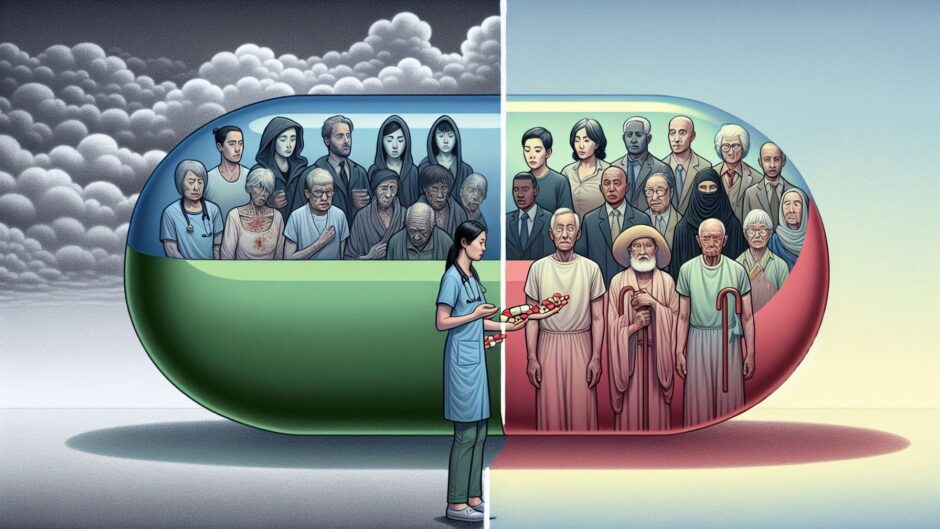
Medicines are more than mere compounds or chemicals; they are the result of years of rigorous research, clinical trials, and pharmaceutical expertise. These groundbreaking discoveries have revolutionized the way we approach diseases and their management. The primary goal of medicines is to enhance the lives of patients by promoting healing, relieving symptoms, and preventing further complications.
When administered properly, medicines can alleviate pain, reduce inflammation, fight infections, and slow down the progression of chronic illnesses such as diabetes, hypertension, or autoimmune diseases. They can restore balance to our bodies, allowing us to lead normal, productive lives despite the challenges posed by our health conditions.
Tailored Solutions for Individual Needs
One of the most remarkable aspects of medicines is their ability to be tailored to individual patients. Healthcare professionals carefully consider a patient’s medical history, current health status, and any potential interactions with other medications before prescribing the most suitable treatment. This personalized approach maximizes the efficacy of medicines while minimizing adverse effects.
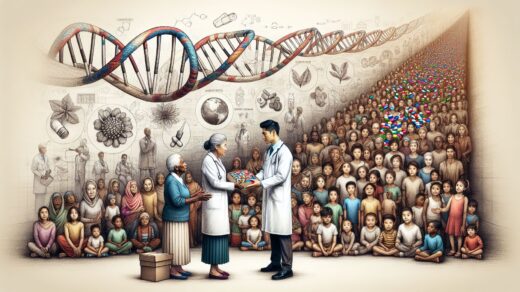
Furthermore, advancements in genetics and precision medicine have allowed for even greater customization. By analyzing an individual’s genetic makeup, doctors can identify specific gene variations that may impact drug response. This information can guide treatment decisions, ensuring that patients receive the most effective medication at the right dose, increasing their chances of positive outcomes.
Empowering Patients with Knowledge
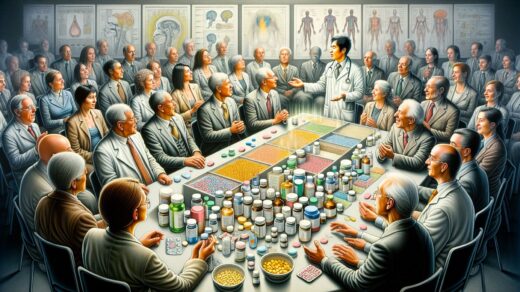
Medicines not only restore health but also empower patients by providing them with a deeper understanding of their conditions. Health literacy is key to managing and preventing diseases, and medications often play an integral role in this process. Patients can learn about their medications, their intended effects, and potential side effects. Armed with this knowledge, they become active participants in their own healthcare journeys.
However, it is crucial to recognize the importance of healthcare professionals in providing accurate and comprehensive information to patients. Clear communication and patient education regarding medication administration, dosages, and possible interactions are fundamental to ensuring safe and effective outcomes. Thus, fostering a strong patient-doctor relationship is vital, as it encourages open dialogue and shared decision-making.
Conclusion
Medicines are transformative agents that have revolutionized the field of healthcare. They help patients battle illnesses, manage chronic conditions, and regain their quality of life. By carefully tailoring treatment plans to each individual, medicines offer personalized solutions that maximize benefits while minimizing risks. In addition, they contribute to patients’ understanding of their health, fostering empowered and informed decision-making.
As we continue to advance in the realm of medicine, it is crucial to recognize the pivotal role that medications play in the lives of patients. By supporting ongoing research, promoting health literacy, and fostering collaboration between healthcare professionals and patients, we can continue to harness the power of medicines, providing a brighter and healthier future for all.