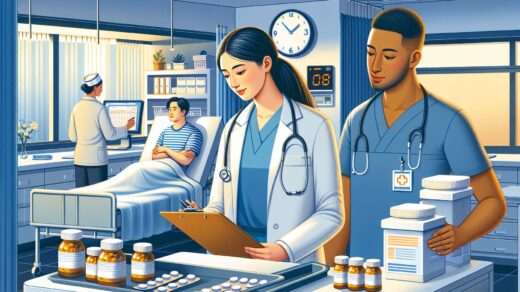
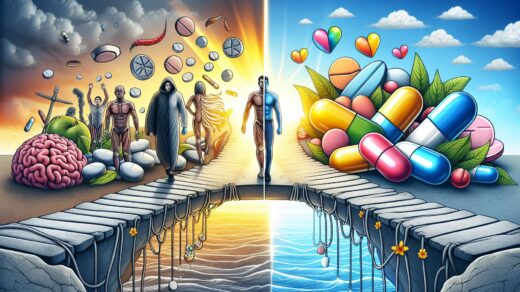
As humans, we are susceptible to various diseases and health conditions that can hinder our day-to-day life. However, thanks to the wonders of modern medicine, we have access to a wide range of prescribed drugs that play a crucial role in improving our well-being. Medicines have become an essential tool in the arsenal of healthcare professionals, helping patients to manage symptoms, alleviate pain, and even save lives. In this article, we will explore how medicines benefit patients and contribute to a healthier society.
The Power of Medicines
Medicines hold immense power in transforming lives. For individuals suffering from chronic conditions, such as diabetes or hypertension, a carefully prescribed medication regime can help control their symptoms and prevent complications. Medicines act on various levels within our body, targeting the root cause of the disease and ameliorating its effects. They can enhance bodily functions, regulate imbalances, and combat harmful agents like bacteria or viruses.
Symptom Management and Pain Relief
One of the most significant roles medicines play is in managing symptoms and alleviating pain. Whether it’s a pounding headache, a persistent cough, or severe joint pain, appropriate medications can provide much-needed relief and improve our quality of life. By targeting the source of the problem, medicines can mitigate symptoms, allowing individuals to engage in their daily activities without hindrance. Painkillers, anti-inflammatory drugs, and antihistamines are just a few examples of medicines that come to the rescue when our bodies are in distress.
Combating Life-Threatening Conditions
Medicines don’t just improve our comfort; they also save lives. Take the example of antibiotics, which revolutionized the field of medicine by combatting bacterial infections that were once life-threatening. These drugs have been instrumental in reducing mortality rates caused by conditions such as pneumonia, urinary tract infections, and sepsis. Similarly, medications used in managing chronic conditions like heart disease, cancer, and HIV have significantly increased survival rates and the overall life expectancy of patients.
Mental Health and Well-being
While the physical benefits of medicines are evident, their impact on mental health should not be overlooked. Mental illnesses, such as depression, anxiety, and schizophrenia, can significantly affect an individual’s well-being and functioning. Medicines used in psychiatry and psychology have proven to be life-changing for people grappling with such conditions. They help restore chemical imbalances in the brain, alleviating symptoms and allowing individuals to lead fulfilling lives.
Conclusion: A Pill of Progress
Medicines have undoubtedly transformed the landscape of healthcare, revolutionizing the way we combat diseases and manage our well-being. They not only help manage symptoms and relieve pain but also combat life-threatening conditions and improve mental health. However, it’s essential to remember that the effectiveness of medicines relies on correct prescription, adherence to treatment plans, and regular consultations with healthcare professionals. By embracing the power of medicines and ensuring responsible use, we can all contribute to a healthier and happier society.
So, the next time you pop a pill, take a moment to appreciate the lifesaving magic it holds within.