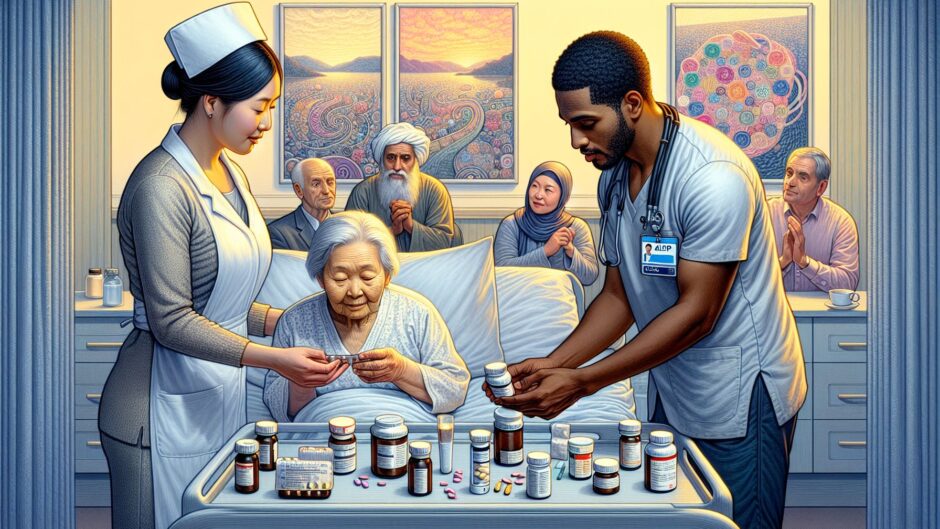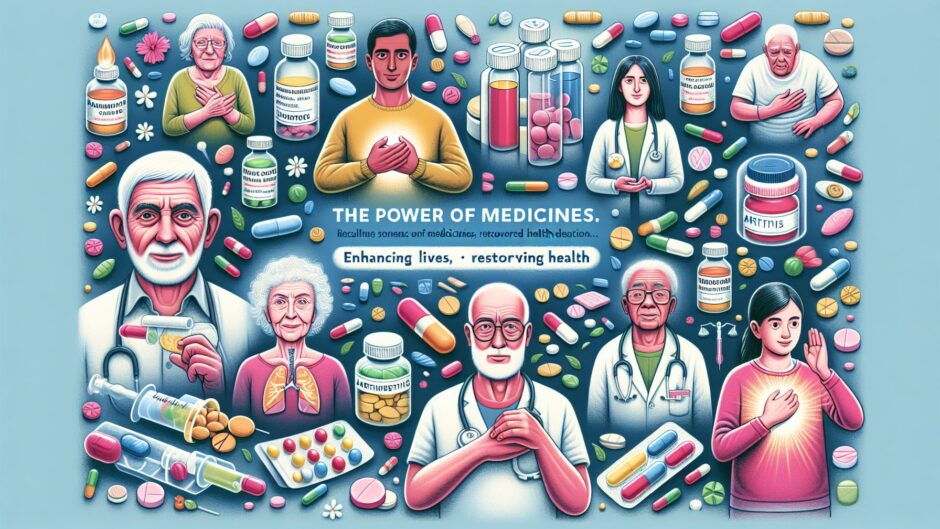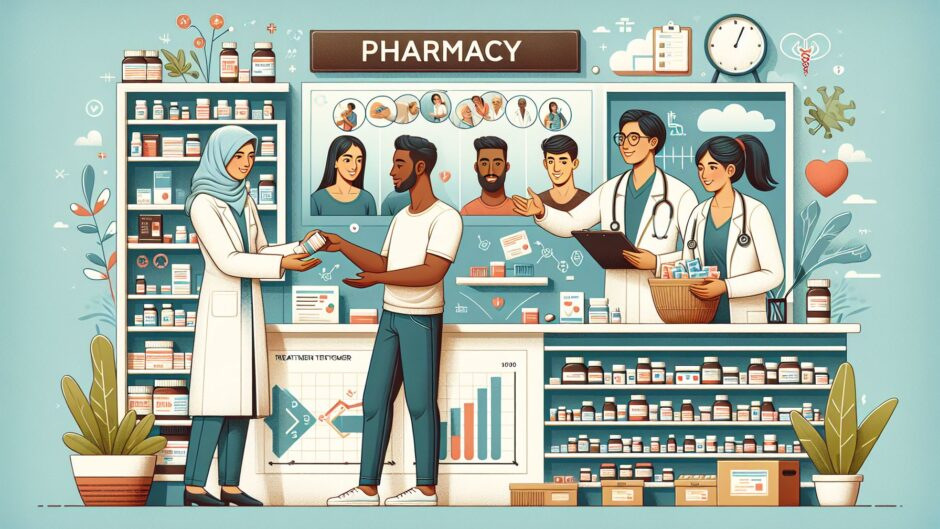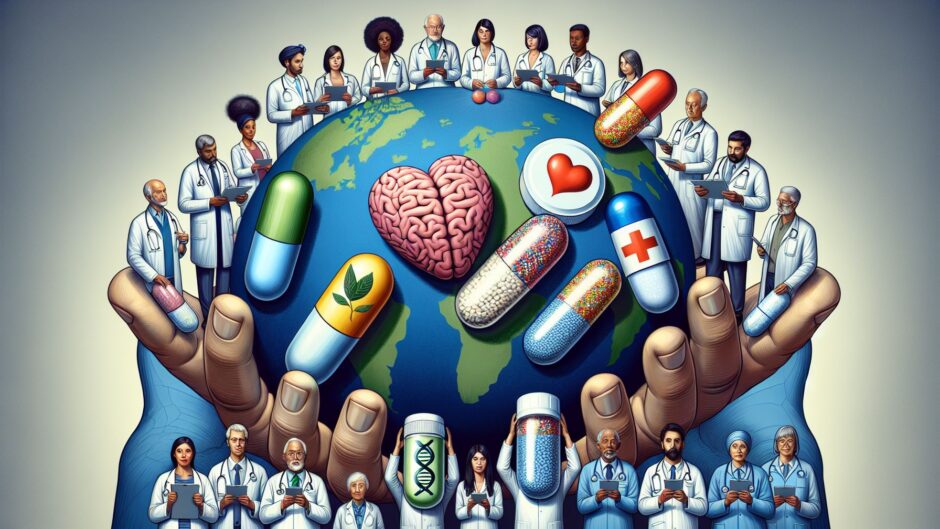
In our modern world, we are fortunate to have access to an incredible range of medicines that have the power to heal, alleviate suffering, and improve the quality of life for countless individuals. From antibiotics to pain relievers, medications play a crucial role in maintaining and restoring our health. Medical advancements and breakthroughs have revolutionized the way we treat diseases and, in many cases, have even saved lives. Let us delve into the profound impact that medicines have on patients and society as a whole.
Medicines: A Catalyst for Healing
Medicines have long been recognized as a cornerstone of modern healthcare. They work in various ways: some target specific pathogens, eliminating harmful bacteria or viruses; others alleviate symptoms and manage chronic conditions, enabling individuals to lead fulfilling lives.
Antibiotics, for example, have transformed the treatment of bacterial infections. Conditions that were once life-threatening, such as pneumonia or sepsis, have become more manageable, thanks to the power of antibiotics. These drugs eradicate harmful bacteria, preventing the spread of infection and bringing relief to patients.
Chronic illnesses, too, benefit greatly from medications that help control symptoms and slow disease progression. Patients with diabetes, for instance, can maintain healthy blood sugar levels using antidiabetic drugs, minimizing the risk of complications and promoting overall well-being.
Restoring Quality of Life
Beyond curing illnesses, medicines provide immeasurable support in alleviating pain and discomfort. Painkillers like opioids or nonsteroidal anti-inflammatory drugs (NSAIDs) offer much-needed respite for individuals suffering from acute or chronic pain. Whether it’s a headache, backache, or the aftermath of a surgical procedure, these medications can restore a patient’s ability to perform daily activities and enjoy life.
Furthermore, psychotropic medications have been instrumental in treating mental health conditions. Antidepressants, antipsychotics, and mood stabilizers play a crucial role in managing disorders such as depression, bipolar disorder, and schizophrenia. By stabilizing mood and reducing symptoms, these medications empower patients to regain control over their lives, improve interpersonal relationships, and pursue their goals.
Progress and Research: Opening Doors to New Possibilities
The field of medicine is constantly evolving, driven by dedicated researchers and scientists who work tirelessly to discover new treatments. This ongoing progress ensures that patients are equipped with the most effective and safe medications available.
Immunotherapy, for instance, has emerged as a breakthrough treatment in the fight against cancer. Harnessing the power of the body’s immune system, these drugs assist in recognizing and destroying cancer cells. Immunotherapy has shown remarkable success in some forms of cancer, offering hope and extended life expectancy to patients.
The Importance of Responsible Medication Management
While medicines undoubtedly provide tremendous benefits, their usage must be approached with caution. It is crucial for both healthcare professionals and patients to uphold responsible medication management practices. This includes adhering to prescribed dosage and instructions, reporting any adverse effects, and avoiding self-medication without professional advice.
Additionally, ongoing research and pharmacovigilance help to monitor the benefits and potential risks of medications. This ensures that medicines are continuously evaluated for their safety and effectiveness, allowing for necessary adjustments and improvements.
Conclusion
Medicines have revolutionized healthcare by transforming lives and restoring health. From combating life-threatening infections to managing chronic conditions and alleviating pain, the benefits of medications are undeniable. As medical research progresses, we can anticipate even greater breakthroughs and advancements, further improving patient outcomes and providing hope for millions. Yet, let us always remember the importance of responsible medication management, ensuring that the power of medicines is harnessed effectively and safely, maximizing their potential to heal and enhance lives.