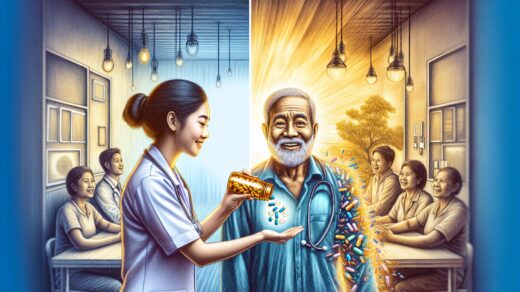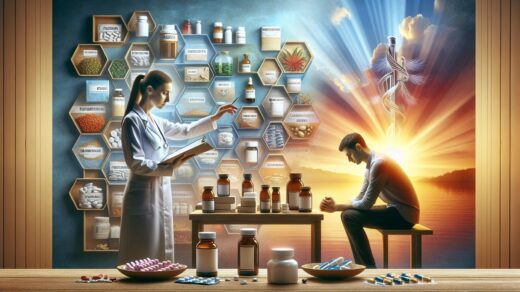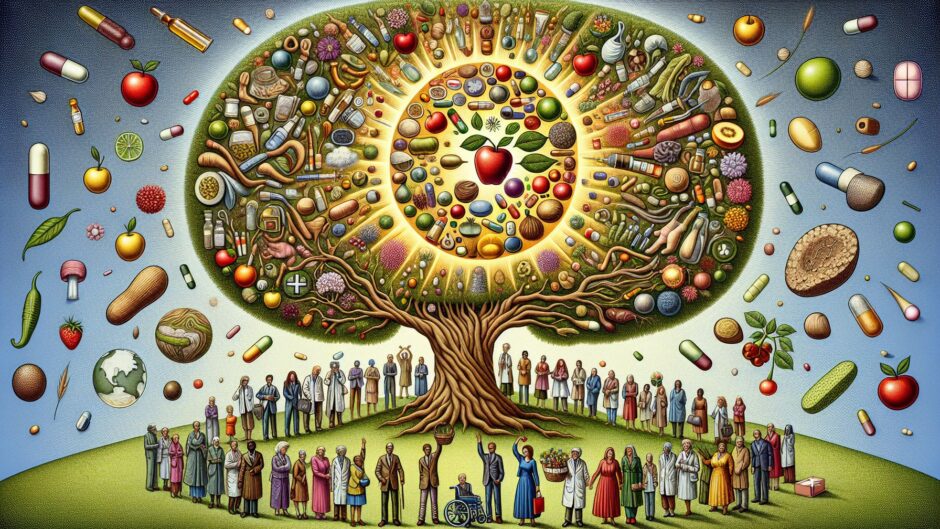
As human beings, we are susceptible to various ailments and diseases throughout our lives. In times of sickness, the utilization of medicines becomes integral to our recovery process. Medicines play a pivotal role in enhancing patient well-being, alleviating symptoms, and restoring health. This blog post explores the significance of medicines in modern healthcare, highlighting how they aid patients in their journey towards better health.
Introduction: The Miracle of Modern Medicine
Throughout history, mankind has witnessed the remarkable progress made in the field of medicine. From the discovery of life-saving antibiotics to revolutionary treatments for chronic diseases, the advent of modern medicine has changed the face of healthcare. Medicines have become an essential component of our lives, enabling us to combat illnesses and enhance our quality of life.
Body: How Medicines Help Patients
1. Alleviating Symptoms and Pain
One primary purpose of medicines is to provide relief to patients suffering from symptoms and pain. Medications such as analgesics help to alleviate pain and provide comfort. Likewise, anti-inflammatory drugs reduce swelling and discomfort associated with various conditions. By addressing these symptoms, medicines greatly enhance the well-being and overall comfort of patients.
2. Treating and Curing Diseases
The most significant contribution of medicines lies in their ability to treat and cure diseases. Antibiotics, for example, have revolutionized the field of medicine by eradicating bacterial infections that were once fatal. Antiviral medications have allowed us to combat viral diseases such as HIV/AIDS and influenza. With the help of targeted and specialized medicines, patients can recover and reclaim their lives from the clutches of life-threatening diseases.
3. Managing Chronic Illnesses
For individuals living with chronic diseases, medicines often become an integral part of their daily routine. Conditions such as diabetes, hypertension, and asthma require lifelong management, where continuous medication intake helps maintain stability. These medicines, when taken as prescribed, enable patients to lead fulfilling lives and prevent complications associated with their chronic conditions.
4. Improving Mental Health
Medicines have also been instrumental in addressing mental health disorders, which affect millions of people worldwide. Antidepressants, mood stabilizers, and anti-anxiety medications have brought hope to individuals battling conditions like depression, bipolar disorder, and anxiety disorders. By stabilizing brain chemistry, these medicines allow patients to regain control over their lives and improve their overall emotional well-being.
Conclusion: Empowering Patients with Medicine
Medicines have undoubtedly revolutionized modern healthcare, enabling us to combat diseases and provide comfort to those in need. By alleviating symptoms, treating diseases, managing chronic illnesses, and improving mental health, medicines empower patients to lead healthier and more fulfilling lives. However, it is essential to remember that medicines are powerful tools that require responsible usage and adherence to healthcare professionals’ guidance. With the right prescription and care, medicines truly hold the power to enhance lives and restore health in remarkable ways.