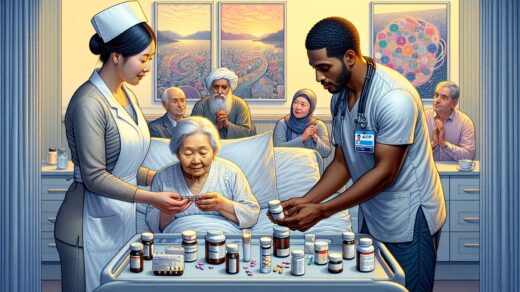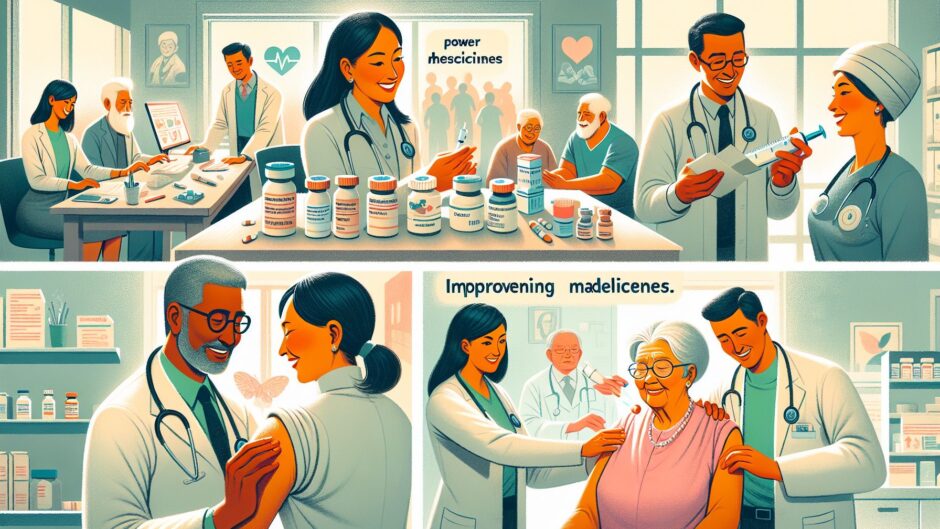
Medicine has always played a pivotal role in healthcare, and its importance cannot be overstated. Countless lives have been saved and improved as a direct result of medical advancements in pharmaceuticals. From everyday ailments to life-threatening diseases, medications have revolutionized the way we approach patient care. In this blog post, we will explore the immense benefits that medicines offer to patients, highlighting how they enhance the quality of life and contribute to overall well-being.
The Introduction of Medicines
Since ancient times, humans have sought remedies for various health problems. However, it was not until the modern era that medicines, as we know them today, emerged. As research in chemistry and biology advanced, scientists were able to develop drugs that specifically targeted diseases and conditions within the body.
Enhancing the Quality of Life
One of the most remarkable aspects of medicines is their ability to improve an individual’s quality of life. Patients suffering from chronic conditions such as diabetes, hypertension, or asthma can rely on medications to manage their symptoms effectively. These drugs help people lead more fulfilling lives by controlling their illnesses, thus reducing discomfort and preventing serious complications.
Saving Lives
In addition to improving the quality of life, medicines can also be life-saving. Emergencies, such as heart attacks or severe allergic reactions, require swift intervention to prevent fatality. Medications like antiplatelet agents or epinephrine injections can stabilize patients in critical situations, buying valuable time until further medical assistance can be provided. Without these drugs, many lives would be lost unnecessarily.
Supporting Recovery
After undergoing surgery or receiving treatment for an illness or injury, patients often require medication to aid in their recovery. These medications may include pain relievers, anti-inflammatories, or antibiotics, among others. By managing pain, reducing inflammation, or fighting off infections, these drugs support the healing process, allowing patients to recover more quickly and fully.
Advancements in Precision Medicine
As medical knowledge and technological capabilities continue to advance, the field of medicine is witnessing a shift toward precision medicine. This approach tailors treatment plans to the specific genetic, environmental, and lifestyle characteristics of individual patients. By utilizing targeted therapies and personalized medications, precision medicine holds great promise for improving patient outcomes, especially in complex conditions like cancer.
Adverse Effects and Misuse
While medicines play a vital role in patient care, it is crucial to acknowledge their potential adverse effects. All drugs, even those prescribed by professionals, carry some level of risk. Side effects can range from mild to severe, and certain medications may interact negatively with others. Moreover, the misuse of pharmaceuticals, such as self-medication or non-compliance with prescribed regimens, can lead to unintended consequences and worsen the patients’ condition. Therefore, it is essential to use medications responsibly and under proper medical guidance.
Conclusion
Medicines have undoubtedly transformed the landscape of healthcare, bringing hope and relief to countless patients worldwide. From chronic diseases management to life-saving interventions and personalized treatments, medications have become an integral part of modern medical practice. However, it is imperative to remember that responsible use, informed decisions, and ongoing research are essential for ensuring the safe and effective utilization of drugs. With continued advancements and targeted therapies, we can look forward to a future with even more effective medicines, further revolutionizing the way we care for patients.