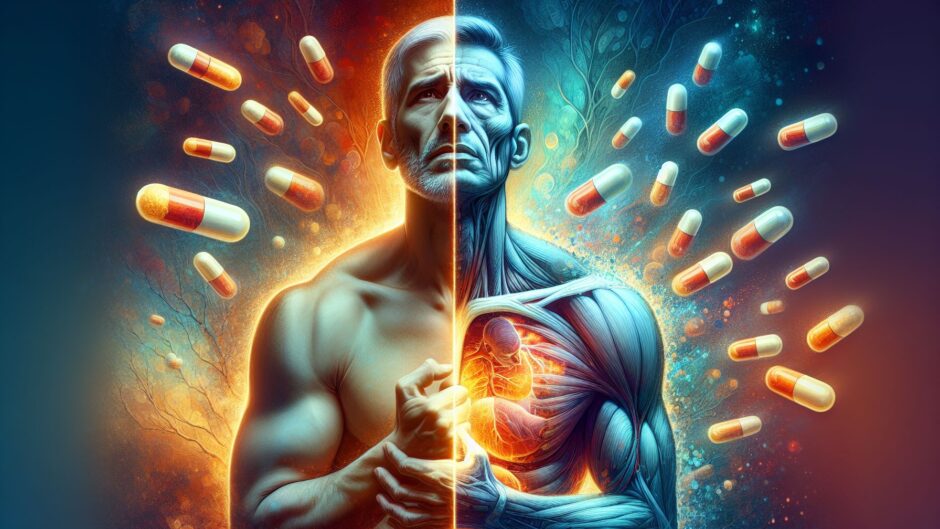
Medicines have long been hailed as one of the greatest achievements in the field of healthcare. From minor ailments to life-threatening conditions, these powerful substances have the ability to transform lives and restore health. Countless individuals owe their well-being and survival to the remarkable advancements made in medicine. In this blog post, we will explore the ways in which medicines help patients and the immense impact they have on the overall quality of life.
The Introduction of Medicines: A Revolutionary Leap
The discovery and development of medicines marked a revolutionary leap in the realm of healthcare. What was once considered incurable or fatal can now be managed, treated, and even eradicated thanks to the power of medicines. Diseases that plagued humanity for centuries have been brought under control, allowing individuals to lead normal, productive lives. Medicines have truly transformed the very fabric of our society, heralding an era of improved health and increased life expectancy.
Restoring Balance: Medicines at Work
Medicines function by restoring the balance within our bodies. They target and combat the underlying causes of diseases, helping us regain control over our well-being. Whether it be through antibiotics, pain relievers, or chemotherapy drugs, medicines play a crucial role in alleviating symptoms and combating infections, ultimately restoring our health.
One of the most significant contributions of medicines is their ability to treat chronic conditions. Patients suffering from illnesses such as diabetes, asthma, or hypertension can lead reasonably normal lives with the help of timely medications. These medicines help control symptoms, prevent complications, and maintain the balance necessary for optimal health. They act as lifelines, providing patients with an improved quality of life and enabling them to pursue their dreams and ambitions.
A Lifesaving Arsenal: Medicines in Emergency Situations
In emergency situations, time is of the essence. Medicines play a vital role in stabilizing patients and preventing further harm. From administering lifesaving medications for heart attacks to providing antivenoms for snake bites, rapid access to appropriate medicines can be the difference between life and death.
Medical advancements have also led to the development of groundbreaking medications like antiretrovirals for HIV/AIDS, immunosuppressants for organ transplants, and targeted therapies for cancer. These medications have not only extended survival rates but have also transformed once-fatal diagnoses into chronic conditions that can be managed effectively.
Cultivating Hope: The Future of Medicine
The future of medicine holds even greater promise. With advancements in biotechnology and genomics, personalized medicine is becoming a reality. These breakthroughs will allow doctors to tailor treatments specifically to an individual’s genetic makeup, increasing efficacy and minimizing side effects.
Furthermore, ongoing research in regenerative medicine and stem cell therapies offers hope for repairing and regenerating damaged tissues and organs. Conditions that were once thought to be permanently debilitating may soon become manageable or even curable.
Conclusion
Medicines have not only revolutionized healthcare but have breathed new life into countless individuals. From managing chronic conditions to treating life-threatening illnesses, they play a pivotal role in restoring and maintaining health. As we look to the future, the continued development of medicines holds the promise of transforming even more lives. It is crucial that we support and invest in research and development to ensure the well-being and vitality of individuals around the world. Together, let us harness the power of medicines to create a healthier, more resilient world.