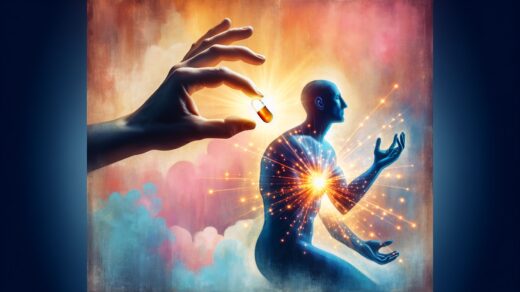
Medicines have transformed the field of healthcare. They provide relief, cure diseases, and offer hope to millions of patients worldwide. From alleviating symptoms to eradicating illnesses, medicines play a vital role in improving the quality of life for individuals of all ages. In this article, we will delve into the incredible ways medicines help patients and the invaluable impact they have on our lives.
The Introduction
Medicines have been a cornerstone of human civilization for centuries. Over time, they have evolved from ancient herbal remedies to advanced pharmaceutical formulations. Today, they are an indispensable part of healthcare systems across the globe, providing a lifeline to countless patients. With continuous scientific advancements, medicines have become more potent, safe, and effective than ever before.
The Body
-
Relief from Symptoms: Medicines bring much-needed relief by targeting and alleviating specific symptoms. Whether it is a painkiller soothing a throbbing headache or an antihistamine relieving allergies, these medications provide quick and effective results. By easing discomfort, medicines allow individuals to resume their daily activities, improving their overall well-being.
-
Treatment of Illnesses: Medicines often go beyond symptom relief and directly address the root cause of various illnesses. Antibiotics combat bacterial infections, while antivirals help fight viral diseases. Medications targeting chronic conditions like diabetes, hypertension, and asthma assist patients in managing their conditions and leading healthier lives.
-
Prevention and Vaccination: Medicines play a crucial role in preventing the spread of diseases. Vaccines, a powerful tool in disease prevention, stimulate the immune system and protect against infections. They have effectively eradicated diseases such as polio and drastically reduced the incidence of others such as measles and tetanus. By preventing diseases, vaccines save lives and promote overall public health.
-
Improved Quality of Life: Medications can significantly enhance the quality of life for patients with chronic diseases. Medicines addressing mental health disorders like depression, anxiety, and bipolar disorder help individuals regain control over their lives. Similarly, tackling conditions such as arthritis or chronic pain empowers patients to engage in daily activities without restriction, enabling them to live fulfilling lives.
-
Prolonging Life: Medicines have contributed to increasing life expectancy around the world. Treatment options, such as chemotherapy and immunotherapy, have revolutionized cancer care, enabling patients to combat their illness and potentially achieve remission. Medications like antiretrovirals have turned HIV from a deadly infection to a manageable condition. The discovery and availability of such medicines have transformed fatal diagnoses into stories of hope and survival.
The Conclusion
Medicines have unquestionably changed the face of healthcare, allowing patients to overcome ailments and live healthier lives. From providing relief and cure to preventing and managing diseases, medicines have an unmatched ability to impact individuals and communities globally. It is essential to recognize the tireless efforts of researchers, pharmacologists, and medical professionals who continuously strive to develop innovative medications that shape the future of healthcare. By harnessing the power of medicines, we can unlock a world with improved well-being, increased life expectancy, and endless possibilities for a healthier future.