The Power of Medicines: Healing Beyond Imagination

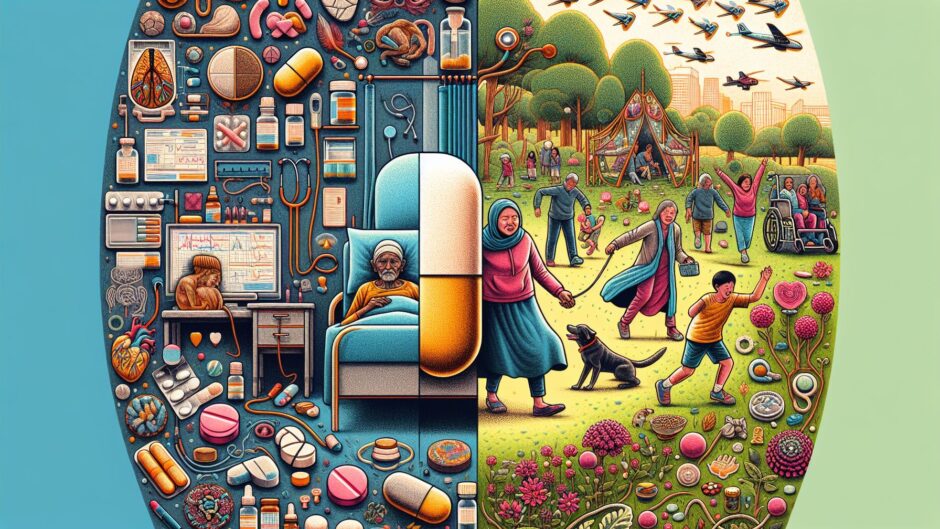
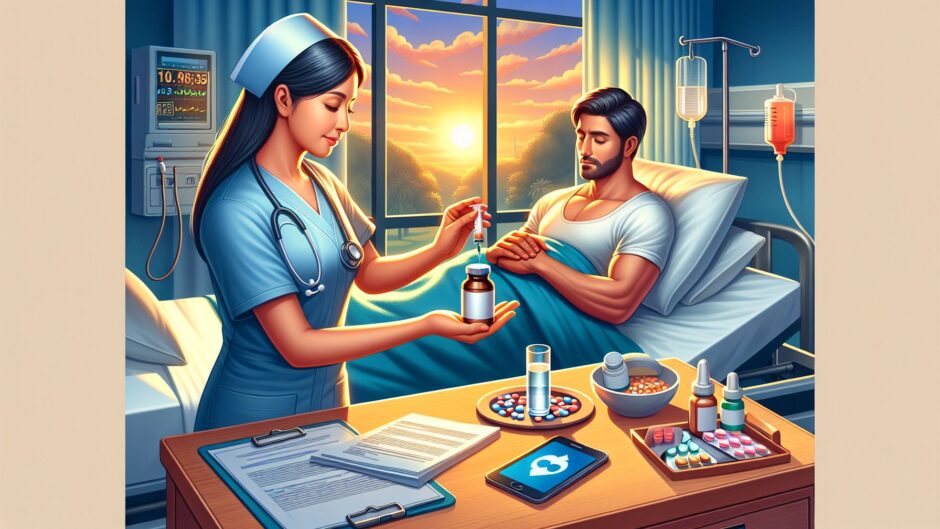
Medicines have transformed the field of healthcare. They provide relief, cure diseases, and offer hope to millions of patients worldwide. From alleviating symptoms to eradicating illnesses, medicines play a vital role in improving the quality of life for individuals of all ages. In this article, we will delve into the incredible ways medicines help patients and the invaluable impact they have on our lives.

The Introduction

Medicines have been a cornerstone of human civilization for centuries. Over time, they have evolved from ancient herbal remedies to advanced pharmaceutical formulations. Today, they are an indispensable part of healthcare systems across the globe, providing a lifeline to countless patients. With continuous scientific advancements, medicines have become more potent, safe, and effective than ever before.

The Body

  1. Relief from Symptoms: Medicines bring much-needed relief by targeting and alleviating specific symptoms. Whether it is a painkiller soothing a throbbing headache or an antihistamine relieving allergies, these medications provide quick and effective results. By easing discomfort, medicines allow individuals to resume their daily activities, improving their overall well-being.

  2. Treatment of Illnesses: Medicines often go beyond symptom relief and directly address the root cause of various illnesses. Antibiotics combat bacterial infections, while antivirals help fight viral diseases. Medications targeting chronic conditions like diabetes, hypertension, and asthma assist patients in managing their conditions and leading healthier lives.

  3. Prevention and Vaccination: Medicines play a crucial role in preventing the spread of diseases. Vaccines, a powerful tool in disease prevention, stimulate the immune system and protect against infections. They have effectively eradicated diseases such as polio and drastically reduced the incidence of others such as measles and tetanus. By preventing diseases, vaccines save lives and promote overall public health.

  4. Improved Quality of Life: Medications can significantly enhance the quality of life for patients with chronic diseases. Medicines addressing mental health disorders like depression, anxiety, and bipolar disorder help individuals regain control over their lives. Similarly, tackling conditions such as arthritis or chronic pain empowers patients to engage in daily activities without restriction, enabling them to live fulfilling lives.

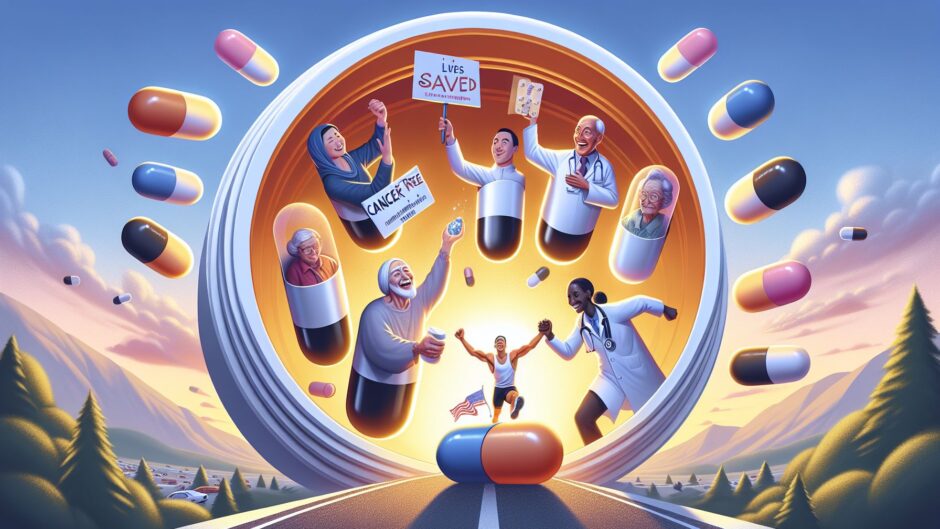
  5. Prolonging Life: Medicines have contributed to increasing life expectancy around the world. Treatment options, such as chemotherapy and immunotherapy, have revolutionized cancer care, enabling patients to combat their illness and potentially achieve remission. Medications like antiretrovirals have turned HIV from a deadly infection to a manageable condition. The discovery and availability of such medicines have transformed fatal diagnoses into stories of hope and survival.

The Conclusion

Medicines have unquestionably changed the face of healthcare, allowing patients to overcome ailments and live healthier lives. From providing relief and cure to preventing and managing diseases, medicines have an unmatched ability to impact individuals and communities globally. It is essential to recognize the tireless efforts of researchers, pharmacologists, and medical professionals who continuously strive to develop innovative medications that shape the future of healthcare. By harnessing the power of medicines, we can unlock a world with improved well-being, increased life expectancy, and endless possibilities for a healthier future.

Medicines: The Lifesaving Magic in a Pill

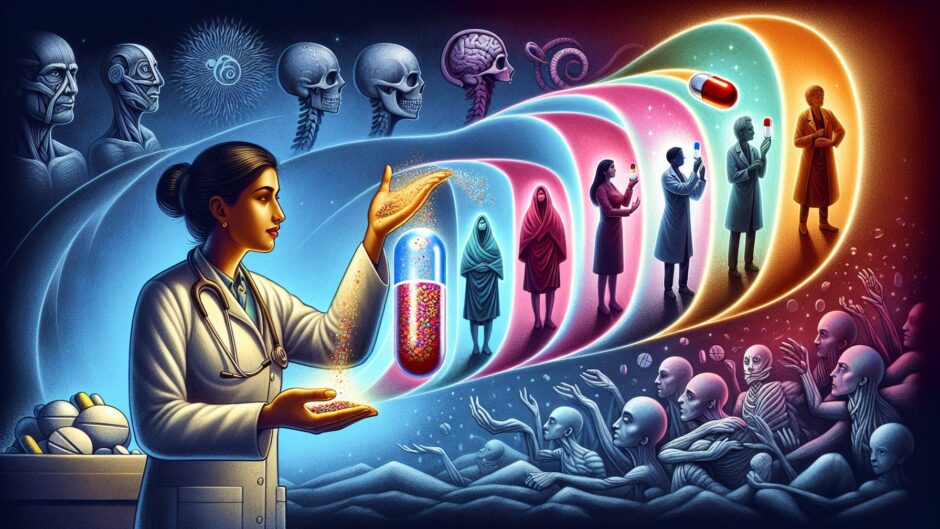
As humans, we are susceptible to various diseases and health conditions that can hinder our day-to-day life. However, thanks to the wonders of modern medicine, we have access to a wide range of prescribed drugs that play a crucial role in improving our well-being. Medicines have become an essential tool in the arsenal of healthcare professionals, helping patients to manage symptoms, alleviate pain, and even save lives. In this article, we will explore how medicines benefit patients and contribute to a healthier society.

The Power of Medicines

Medicines hold immense power in transforming lives. For individuals suffering from chronic conditions, such as diabetes or hypertension, a carefully prescribed medication regime can help control their symptoms and prevent complications. Medicines act on various levels within our body, targeting the root cause of the disease and ameliorating its effects. They can enhance bodily functions, regulate imbalances, and combat harmful agents like bacteria or viruses.

Symptom Management and Pain Relief

One of the most significant roles medicines play is in managing symptoms and alleviating pain. Whether it’s a pounding headache, a persistent cough, or severe joint pain, appropriate medications can provide much-needed relief and improve our quality of life. By targeting the source of the problem, medicines can mitigate symptoms, allowing individuals to engage in their daily activities without hindrance. Painkillers, anti-inflammatory drugs, and antihistamines are just a few examples of medicines that come to the rescue when our bodies are in distress.

Combating Life-Threatening Conditions

Medicines don’t just improve our comfort; they also save lives. Take the example of antibiotics, which revolutionized the field of medicine by combatting bacterial infections that were once life-threatening. These drugs have been instrumental in reducing mortality rates caused by conditions such as pneumonia, urinary tract infections, and sepsis. Similarly, medications used in managing chronic conditions like heart disease, cancer, and HIV have significantly increased survival rates and the overall life expectancy of patients.

Mental Health and Well-being

While the physical benefits of medicines are evident, their impact on mental health should not be overlooked. Mental illnesses, such as depression, anxiety, and schizophrenia, can significantly affect an individual’s well-being and functioning. Medicines used in psychiatry and psychology have proven to be life-changing for people grappling with such conditions. They help restore chemical imbalances in the brain, alleviating symptoms and allowing individuals to lead fulfilling lives.

Conclusion: A Pill of Progress

Medicines have undoubtedly transformed the landscape of healthcare, revolutionizing the way we combat diseases and manage our well-being. They not only help manage symptoms and relieve pain but also combat life-threatening conditions and improve mental health. However, it’s essential to remember that the effectiveness of medicines relies on correct prescription, adherence to treatment plans, and regular consultations with healthcare professionals. By embracing the power of medicines and ensuring responsible use, we can all contribute to a healthier and happier society.

So, the next time you pop a pill, take a moment to appreciate the lifesaving magic it holds within.

The Power of Medicines: Transforming Patients’ Lives

Medicines have played a pivotal role in revolutionizing healthcare and improving the lives of millions of patients worldwide. From alleviating pain to treating life-threatening diseases, medications have become an integral part of our society. In this article, we will delve into the transformative impact of medicines and how they have helped patients regain comfort, hope, and often, their very lives.

How Medicines Work

Before we explore the benefits of medications, let’s uncover how they work within our bodies. Medicines are carefully formulated to interact with specific targets in our system, such as proteins or enzymes, to restore balance or address imbalances caused by illnesses.

The human body is a complex and intricate machine that can unfortunately experience malfunctions. Whether it’s due to genetic predisposition, infections, or external factors, illnesses can significantly impact our quality of life. The beauty of medicines lies in their ability to address these issues at a molecular level, facilitating healing and symptom relief.

Alleviating Pain and Symptoms

One of the most fundamental ways medicines help patients is by alleviating pain and managing symptoms. Conditions such as arthritis, migraines, or even chronic pain from injuries can be debilitating, impacting daily activities and overall well-being. Analgesics and anti-inflammatory medications have become a lifeline for individuals suffering from these conditions, reducing pain, inflammation, and allowing them to regain control over their lives.

Moreover, specific medications target symptoms associated with respiratory illnesses, such as cough suppressants or bronchodilators, providing much-needed relief to patients with conditions like asthma or chronic obstructive pulmonary disease (COPD). By effectively managing symptoms, medicines enhance patients’ comfort and allow them to engage in activities they may have otherwise been unable to partake in.

Treating Diseases and Saving Lives

Beyond symptom relief, medicines have truly transformed the landscape of healthcare by effectively treating diseases and saving countless lives. Antibiotics, one of the most iconic medical breakthroughs, have revolutionized the treatment of bacterial infections that were once fatal. From pneumonia to sepsis, antibiotics have played a crucial role in preventing the spread of infection and providing patients with the chance to recover.

In addition to infectious diseases, several chronic conditions, such as diabetes or hypertension, require lifelong management. Medications targeting these conditions enable patients to control their illness, reducing the risk of complications, and significantly improving their long-term prognosis. Without these medicines, individuals with chronic conditions would face an immense burden on their health and overall quality of life.

Furthermore, the advent of innovative therapies, like targeted cancer treatments or immunosuppressants for autoimmune diseases, have offered new hope for patients who were once deemed untreatable. These breakthrough drugs can specifically target cancer cells or modulate the immune response, often leading to remarkable recoveries and extended survival rates.

Conclusion

Medicines have undoubtedly transformed the lives of patients around the world. Whether by alleviating pain, managing symptoms, or treating diseases, medications have provided solace, hope, and second chances. Countless individuals have regained control over their lives, overcoming unimaginable obstacles thanks to the power of medicines. As advancements continue, the future looks bright, promising improved treatments, and ultimately, better outcomes for patients worldwide.

The Life-Changing Power of Medicines

Medicines have revolutionized healthcare, significantly improving the quality of life for countless individuals worldwide. From simple pain relief to complex treatments for chronic diseases, medicines play an indispensable role in helping patients regain their health and well-being. By addressing symptoms, controlling diseases, and even saving lives, these powerful substances have transformed the landscape of medicine. In this article, we will explore the multiple ways medicines benefit patients and the incredible impact they have on modern healthcare.

A Solution to Symptoms

Medicines have the remarkable ability to alleviate a wide range of symptoms, providing relief and comfort to those who suffer. Whether it’s a headache, a persistent cough, or even fever and body aches, there is often a medication specifically designed to target the source of discomfort. By easing symptoms, medicines allow individuals to carry on with their day-to-day activities, promoting productivity and overall well-being.

Managing Chronic Conditions

Patients with chronic illnesses benefit greatly from the availability of medications specifically developed to manage their conditions. Chronic diseases, such as diabetes, asthma, and hypertension, often require lifelong treatment to control symptoms and prevent complications. Medications provide patients with the necessary tools to effectively manage their conditions, helping to stabilize and improve their health over time. This enables individuals to live fuller lives by reducing the impact of their chronic illness on their daily activities.

Treating Acute and Life-Threatening Conditions

In addition to managing chronic diseases, medicines also excel in treating acute and life-threatening conditions. Antibiotics, for example, have revolutionized the field of medicine by combating bacterial infections that were once fatal. Nowadays, thanks to these powerful drugs, many infectious diseases can be easily treated, saving countless lives. Furthermore, medications like anticoagulants, anti-arrhythmics, and clot-busting drugs have transformed the treatment of cardiovascular emergencies, reducing mortality rates and improving outcomes for patients.

Advancements in Disease Management

Medicines have been crucial to medical advancements, as they have played a significant role in managing diseases that were once considered incurable. The development of targeted therapies and immunotherapies has revolutionized the treatment of various cancers, providing patients with more effective and personalized options. Moreover, medications such as disease-modifying drugs have been instrumental in slowing down the progression of diseases like multiple sclerosis and rheumatoid arthritis, significantly improving patients’ quality of life.

The Importance of Responsibility

While medicines undoubtedly offer incredible benefits, it is important to remember that their use must be responsible. Patients should always consult healthcare professionals to ensure proper diagnosis, treatment, and adherence to medication schedules. Additionally, proper storage and disposal of medication are crucial to avoid misuse and prevent harm to others.

In conclusion, medicines have transformed modern healthcare, providing relief, managing chronic conditions, and treating acute illnesses. Their incredible impact on disease management and medical advancements cannot be overstated. As we continue to maximize the potential of medications, it is vital that healthcare professionals and patients work together responsibly to ensure the safe and effective use of these life-changing substances. Ultimately, medicines are a powerful tool in the pursuit of better health and a brighter future.

Medicines: Lifesaving Allies for Patients

Medicines play a vital role in the healthcare industry, offering relief, treating diseases, and saving lives. With their potent ability to combat illnesses, these powerful allies have made a significant impact on patient health. By leveraging the wonders of modern medicine, patients across the globe benefit from improved quality of life and increased longevity.

The Introduction of Medicines

The discovery and development of medicines have revolutionized healthcare, transforming it into the advanced system we have today. With the introduction of medicines, the medical community gained a valuable tool to combat various ailments. Whether it’s a common cold or a severe chronic condition, medicines provide the necessary therapeutic intervention to alleviate symptoms and restore health.

Types of Medicines

A plethora of medicines exists, serving different purposes based on their composition and application. Some medications address the underlying cause of an illness, while others focus solely on alleviating symptoms. From antibiotics to painkillers, antivirals to hormones, each medicine category caters to specific conditions, ensuring a targeted and effective approach for patients.

The Role of Medicines in Disease Treatment

Medicines are at the forefront of disease treatment, playing a pivotal role in managing both acute and chronic illnesses. Antibiotics, for instance, effectively combat bacterial infections by eradicating harmful microorganisms. Immunomodulatory drugs help patients with autoimmune diseases, regulating their immune response and reducing inflammation. Additionally, antiviral medications can hinder the replication of viruses, aiding in the treatment of viral illnesses.

Symptom Alleviation and Supportive Care

Beyond improving health, medicines are instrumental in symptom alleviation and supportive care for patients. Painkillers offer relief to individuals suffering from acute or chronic pain, allowing them to resume their daily activities. Antidepressants and anxiolytics provide crucial support for those affected by mental health conditions, enhancing their overall well-being. Medicines can also aid patients in managing side effects associated with other treatments, such as medication-induced nausea or hair loss during chemotherapy.

Innovations in Medicine

Continuous research and development have led to incredible innovations in the field of medicine. Novel therapies, such as immunotherapy and gene therapy, have emerged as groundbreaking approaches to previously untreatable conditions. Precision medicine, leveraging genetic information to tailor treatment plans, holds immense promise for personalized patient care. These advancements underline the power of medicines to evolve and adapt, providing hope for patients facing complex and challenging health concerns.

Ensuring Safety and Efficacy

Patient safety and well-being are paramount considerations in the development and administration of medicines. Rigorous clinical trials and regulatory processes validate the safety and efficacy of medications before they reach patients. Additionally, pharmacovigilance systems continuously monitor medicines after their release to identify and mitigate any adverse effects, ensuring ongoing patient safety.

Conclusion

Medicines are lifelines for countless patients, enabling them to recover from illnesses or manage chronic conditions effectively. As medical knowledge grows, so too does our ability to develop innovative treatments that offer enhanced care. The ongoing advancements in medicine bring us closer to a future where diseases once considered incurable become manageable. With medicines as steadfast allies, patients can navigate their health journeys with renewed hope and optimism.

Medicines: Transforming Lives and Improving Health

Living in the 21st century, we are fortunate to have access to a wide range of modern medicines that have revolutionized healthcare. Medicines play a crucial role in alleviating pain, treating diseases, and improving the overall quality of life for countless individuals. From common illnesses to chronic conditions, let’s explore how medicines have become a lifeline for patients worldwide.

Introduction

Medicines have been used for centuries, but it is in recent decades that we have witnessed remarkable advancements in pharmaceutical research and development. Today, medicines are designed to target specific ailments, providing relief, or even curing previously incurable diseases. As we delve into the world of medicines, it becomes evident that they play a pivotal role in modern healthcare.

The Benefits of Medicines

Medicines offer a multitude of benefits to patients, transforming their lives for the better. Firstly, medicines enable individuals to manage pain and discomfort effectively. Whether it is a nagging headache, a sprained ankle, or chronic back pain, painkillers provide much-needed relief, allowing patients to carry on with their daily activities.

Furthermore, medicines have the power to treat and cure diseases that were once considered fatal. Antibiotics, for example, have revolutionized the treatment of bacterial infections and saved countless lives. Similarly, antiretroviral therapy has transformed HIV from a deadly disease to a chronic manageable condition. These breakthroughs in medicine have brought hope to patients and their families, contributing to longer and healthier lives.

Moreover, medicines are not limited to treating specific diseases but also help manage chronic conditions such as diabetes, hypertension, and asthma. Through medications tailored to these conditions, patients can keep their symptoms under control and prevent further complications. This enables individuals to lead fulfilling lives, pursuing their dreams, and engaging in activities they love.

Medicines and Mental Health

When discussing the impact of medicines, we must not overlook their influence on mental health. Mental illnesses, such as depression, anxiety, and bipolar disorder, can often be debilitating. Medications for these conditions have proven to be highly effective, allowing individuals to regain stability in their lives. By managing symptoms and restoring a sense of well-being, medicines can help patients overcome the challenges posed by mental health disorders.

Taking Medicines Responsibly

While medicines are undoubtedly a boon for patients, it is crucial to take them responsibly. Following prescribed doses, adhering to treatment plans, and seeking medical advice when necessary are essential for maximizing the benefits of medications. Similarly, it is important not to dismiss potential side effects or drug interactions, ensuring one’s health and safety throughout treatment.

Conclusion

Medicines have transformed the world of healthcare, becoming indispensable to countless individuals. From relieving pain and treating diseases to managing chronic conditions and improving mental health, medicines have revolutionized the way we approach illness. However, responsible usage and regular consultations with healthcare professionals are vital to ensure patients receive the best possible care.

As we move forward, continued research and development in the field of medicines hold the promise of new breakthroughs. By harnessing the power of pharmaceutical science, we can look forward to a future with even more effective, accessible, and lifesaving treatments. So, let us cherish and commemorate the importance of medicines in improving our lives and the lives of those around us.

The Power of Medicines: Transforming Lives One Pill at a Time

Medicines have revolutionized the field of healthcare, making a significant impact on patients’ lives worldwide. From alleviating symptoms to curing diseases, these potent formulations have provided hope, relief, and improved well-being. In this article, we explore the ways in which medicines help patients, transforming their health and overall quality of life.

A Diverse Range of Medicines

Medicines come in many forms, including tablets, capsules, injections, and topical creams. Each formulation serves a unique purpose in addressing different health concerns. Whether it is a simple painkiller to ease a headache or a complex combination of drugs to treat chronic conditions, pharmaceuticals play a crucial role in our lives.

Relieving Symptoms and Restoring Comfort

One of the primary functions of medicines is to alleviate symptoms, providing much-needed relief to patients. Painkillers, for instance, can help reduce discomfort and allow individuals to carry out their daily activities without hindrance. Medicines targeting allergies, such as antihistamines, help control sneezing, itching, and congestion, thereby enabling people to enjoy a better quality of life.

Moreover, medicines play a vital role in managing chronic diseases, allowing patients to control their conditions effectively. From diabetes and hypertension to asthma and arthritis, these medications help regulate symptoms, preventing the progression of illnesses and reducing the risk of complications.

Curing and Eradicating Diseases

Medicines have the extraordinary potential to cure diseases, thus transforming the lives of countless individuals. Antibiotics, for instance, have revolutionized the treatment of bacterial infections. These medications can wipe out harmful bacteria from our bodies, saving lives and preventing the spread of infectious diseases.

Furthermore, vaccines are a prime example of how medicines can eradicate diseases altogether. Vaccinations have successfully eliminated diseases like polio, smallpox, and measles in many parts of the world. By stimulating the immune system, vaccines empower our bodies to fight against specific viruses or bacteria, effectively providing immunity.

Advancements in Research and Innovation

Continuous progress in the field of medicine has led to the development of newer and more efficient drugs. Through extensive research and innovative technologies, scientists discover better treatment options and medications with reduced side effects.

Precision medicine is one area that is rapidly evolving, tailoring treatments to individuals based on their genetic makeup, lifestyle, and other factors. This personalized approach enhances the effectiveness of medications while minimizing adverse reactions, ultimately improving patient outcomes.

Ensuring Patient Safety and Education

While medicines undoubtedly have numerous benefits, it is crucial to ensure patient safety and education. Adequate instructions and proper healthcare professional guidance are essential in using medications correctly. Patients should be aware of potential side effects, interactions with other drugs, and the importance of following prescribed dosages.

Additionally, regulatory authorities play a vital role in monitoring and evaluating medications for safety and efficacy. Stringent guidelines and rigorous testing procedures ensure that only high-quality medicines reach the market, safeguarding patients from substandard or harmful products.

A Bright Future Ahead

As the world advances in medical research and technology, the potential for medications to transform patient lives continues to grow. The development of breakthrough drugs, targeted therapies, and innovative treatment modalities offers hope and healing even for the most complex health conditions.

In conclusion, medicines have revolutionized healthcare by relieving symptoms, curing diseases, and enhancing overall patient well-being. Thanks to ongoing research and advancements, we can look forward to a future where medicines continue to play a pivotal role in transforming lives, offering new possibilities for improved health and longevity.

Medicines: A Lifeline for Patients

Medicines play a vital role in the field of healthcare, serving as a life-saving lifeline for countless patients around the world. These carefully formulated compounds often hold the key to combating diseases and relieving symptoms, ultimately improving the quality of life for individuals in need. From managing chronic conditions to eradicating infections, medicines have revolutionized the way we approach healthcare, providing hope and healing. In this article, we will delve into the remarkable benefits that medicines bring to patients and the profound impact they have on our lives.

The Power of Medicines

Medicines are substances derived from various sources. They can be synthetic or natural, created to target specific mechanisms within our bodies. By carefully designing medicines, healthcare professionals aim to counteract diseases and ailments, thereby restoring health and well-being. These substances can address a wide array of conditions, ranging from common ailments like headaches and allergies to complex chronic diseases such as diabetes and hypertension.

Disease Management

One of the most significant benefits medicines offer is disease management. Chronic diseases can often be long-lasting and require consistent treatment to prevent complications. Medicines such as insulin for diabetes or antihypertensive drugs help regulate blood sugar levels and blood pressure, respectively, ensuring patients can live healthier lives. Without these medications, managing such conditions would be incredibly challenging, drastically reducing the quality of life for those affected.

Symptom Relief

Medicines not only aid in managing diseases but also provide much-needed relief from distressing symptoms. Pain relievers like acetaminophen or ibuprofen can alleviate headaches, muscular pain, and inflammation. Antihistamines greatly reduce allergic reactions, offering respite from sneezing, itching, and redness. By addressing symptoms directly, patients can experience enhanced comfort and improved functionality in their day-to-day lives.

Infection Treatment

From antibiotics to antiviral drugs, medicines excel at tackling various infections caused by bacteria, viruses, fungi, and parasites. These medications effectively combat harmful microorganisms, eradicating infections and enabling individuals to recover. For instance, antibiotics like penicillin have been instrumental in treating a wide range of bacterial infections, saving countless lives. Antiviral medicines help manage viral illnesses like influenza or HIV, suppressing viral replication and preventing further damage.

Advancements and Innovations

The field of medicine is continuously evolving, paving the way for remarkable advancements and innovations. Over time, researchers and scientists have developed newer, more effective medicines, improving treatment outcomes and patient experiences. From targeted therapies in cancer treatment to genetically engineered biologic drugs, each advancement brings new hope for patients. These innovations allow for more precise and personalized treatment strategies, minimizing side effects and maximizing therapeutic benefits.

Conclusion

Medicines are an indispensable aspect of modern healthcare, offering patients a path towards healing and recovery. Whether through disease management, symptom relief, or infection treatment, these compounds provide indispensable benefits that significantly enhance the quality of life for individuals in need. By continuously pushing boundaries and embracing innovation, medicines continue to shape the future of healthcare, bringing hope to patients and offering a second chance at life.

The Indispensable Role of Medicines in Patient Care

Medicines play a pivotal role in the healthcare industry, enabling patients to combat various diseases and ailments. From a mild headache to life-threatening conditions, medicines alleviate symptoms, treat illnesses, and enhance overall well-being. In this article, we will delve into the significance of medicines in patient care and explore how they bring relief, recovery, and hope.

Introduction: Empowering Patients through Medicines

Healthcare professionals and pharmaceutical advancements have revolutionized patient care by developing medicines that address a wide range of health issues. Not merely confined to curing illnesses, medications enhance the quality of life for countless individuals worldwide. By understanding the proper usage, potential side effects, and the science behind medications, patients can actively participate in their own treatment, allowing medicines to become an empowering tool.

The Role of Medicines: Alleviating Symptoms and Treating Diseases

Medicines serve as a powerful tool to alleviate distressing symptoms experienced by patients. Painkillers, for instance, offer much-needed relief from moderate to severe pain, allowing individuals to function and maintain a better quality of life. Anti-inflammatory medications likewise subdue inflammation in various conditions, reducing swelling, redness, and discomfort.

Moreover, medicines effectively target microscopic disease agents, thus treating illnesses at their root. Antibiotics combat bacterial infections, preventing their proliferation and aiding in a speedy recovery. Antiviral medications directly inhibit viral replication, alleviating symptoms of common viral illnesses such as influenza or the common cold. The development of vaccines provides protection against numerous diseases, preventing their occurrence altogether.

Chronic Conditions: Management and Control

Medications also play a crucial role in the management and control of chronic conditions. Patients suffering from chronic diseases, such as diabetes or hypertension, often rely on medications to regulate their condition and maintain stable health. By meticulously adhering to prescribed medication regimes, patients can prevent complications and significantly improve their long-term prognosis. The effective management of chronic conditions through medicines enables individuals to lead fulfilling and productive lives.

Side Effects: Understanding and Minimizing Discomfort

While medicines offer immense benefits, it is important to acknowledge their potential side effects. Not all individuals experience side effects, and in many cases, they are mild and transient. Healthcare professionals extensively study medications to identify and warn about potential side effects, allowing patients to make informed decisions. Often, increasing fluid intake or taking medication with food can alleviate discomfort. It is vital for patients to discuss any concerns or discomfort with their healthcare provider to address such issues promptly.

Conclusion: The Gateway to Relief and Recovery

Medicines are a cornerstone of patient care, providing relief from symptoms, treating diseases, and managing chronic conditions. Their importance in healthcare cannot be overstated, as they pave the way for recovery and restore hope in the face of illness. By actively engaging in their treatment plans and partnering with healthcare professionals, patients can harness the power of medicines to lead healthier, more fulfilling lives. It is important to recognize the invaluable contribution of medicines in patient care and continue to invest in research and development, ensuring the availability and effectiveness of these life-changing substances.

The Importance of Medicines in Patient Care

Medicines have been an integral part of healthcare for centuries, providing relief and curing ailments that have plagued humanity. From a simple headache to life-threatening diseases, medicines have played a vital role in improving the quality of life for millions. In this article, we will explore the importance of medicines in patient care and how they help individuals regain their health and wellbeing.

The Power of Medicines in Treating Symptoms

Medicines are designed to alleviate symptoms and treat the underlying cause of illness or disease. They serve as a powerful tool in the hands of healthcare professionals to target specific health issues efficiently. Whether it’s managing chronic conditions such as diabetes or providing quick relief from a common cold, medicines have the ability to address a wide range of ailments.

Combatting Infections and Preventing Diseases

One of the significant contributions of medicines is their role in fighting infections and preventing the spread of diseases. Antibiotics have revolutionized the field of medicine by effectively combating bacterial infections, reducing mortality rates, and saving countless lives. Vaccines, on the other hand, are central to preventing diseases by stimulating the body’s immune system to develop immunity and protect itself from harmful pathogens.

Easing Pain and Enhancing Comfort

From mild discomfort to excruciating pain, medicines can significantly improve the quality of life for patients suffering from chronic or acute pain. Analgesics, commonly known as painkillers, work by blocking pain signals and providing relief to individuals. By easing pain, medicines not only increase comfort but also allow patients to participate in daily activities and maintain a functional lifestyle.

Supporting Mental Health and Wellbeing

Medicines play a vital role in supporting mental health and wellbeing, addressing conditions such as depression, anxiety, and schizophrenia. With the right medication, individuals struggling with these conditions can experience symptom reduction, improved mood, and an overall restoration of daily functioning. By providing relief from mental distress, medicines allow patients to regain control of their lives and pursue a healthy, fulfilling existence.

Personalized Treatment and Advancements in Medicine

Advancements in medical research have paved the way for personalized treatment plans, tailoring medicines to suit individual patient needs. With the help of genetic testing and innovative technologies, healthcare professionals can better understand a patient’s genetic makeup and identify the most suitable medication and dosage. This personalized approach not only enhances treatment efficacy but also minimizes potential side effects, providing patients with optimized care.

Conclusion

In conclusion, the impact of medicines on patient care cannot be overstated. They serve as a cornerstone of modern healthcare, offering relief, treating illnesses, and promoting overall wellbeing. From managing symptoms to preventing diseases, easing pain, and supporting mental health, medicines play a crucial role in improving patients’ lives. In the future, continued advancements in medicine, combined with personalized treatment plans, hold the promise of even more targeted and effective medications. As such, we can confidently assert that medicines are truly a lifeline for individuals in need of care and healing.