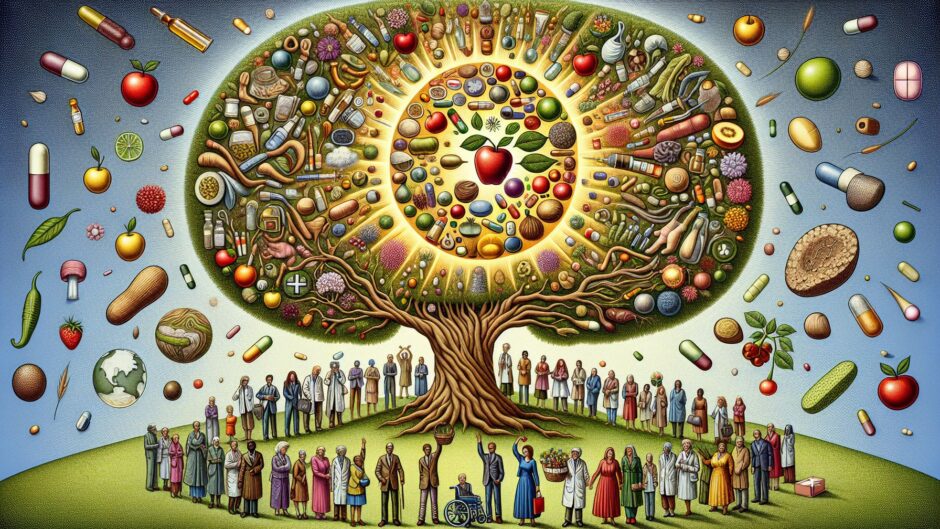
The Power of Medicines: Transforming Lives and Restoring Hope

Medicines have been a cornerstone of healthcare for centuries, playing a pivotal role in improving and saving countless lives. From combating diseases to managing chronic conditions, medications have proved to be indispensable in enhancing patients’ well-being. In today’s fast-paced world, where medical advancements are continuously propelling us forward, it is crucial to acknowledge how medicines help patients regain their health, independence, and quality of life.

A Lifesaving Introduction

The first line of defense, medicines are frequently prescribed to treat acute illnesses that pose an immediate threat to our well-being. When a bacterial infection takes hold, antibiotics step in to restore our body’s natural defense mechanism and give us a fighting chance against harmful pathogens. Similarly, antiviral medications combat viruses like influenza and herpes, curbing the spread of these diseases and minimizing their severity.

Empowering Chronic Disease Management

For individuals grappling with long-term conditions, such as diabetes, hypertension, or asthma, medications offer an essential lifeline. These chronic ailments often necessitate continuous treatment to maintain steady control and prevent complications. Medicines like insulin help regulate blood sugar levels for diabetics, minimizing the risk of life-threatening complications such as organ damage or amputations. Likewise, antihypertensive drugs aid in maintaining blood pressure within a healthy range, reducing the likelihood of heart attacks, strokes, and kidney disorders.

In the case of respiratory conditions like asthma, inhalers provide relief from symptoms by opening up airways, improving breathing, and preventing debilitating asthma attacks. These medications empower patients to lead active lives, enhancing their overall well-being and allowing them to pursue their passions unhindered.

Mental Health Medications: Breaking Barriers

The importance of mental health is gaining recognition globally, and medications have revolutionized the treatment of mental illnesses such as depression, anxiety, and bipolar disorder. Antidepressants help stabilize mood, alleviate symptoms of despair and hopelessness, and restore a sense of normalcy. By addressing the chemical imbalances in the brain, these medications can significantly enhance a patient’s emotional well-being, promoting a better quality of life.

Beyond pharmacological treatments, medications like antipsychotics provide relief to individuals affected by severe mental disorders, preventing hallucinations, delusions, and debilitating mood swings. The advent of targeted medications for mental health conditions has unveiled new paths to recovery and has reduced the stigma associated with seeking treatment.

Enhancing Quality of Life

Medications don’t solely focus on curing diseases and managing symptoms. They also play a crucial role in enhancing patients’ quality of life. Palliative care medications, for instance, offer immense relief to individuals navigating the final stages of their life, ensuring their comfort and dignity. Pain management medications, such as opioids, help control pain levels for those diagnosed with chronic pain conditions, allowing them to live more fulfilling lives, both physically and emotionally.

Conclusion

The realm of medicine holds immeasurable power. Medications, the building blocks of modern healthcare, have the ability to transform lives, alleviate suffering, and restore hope. Whether they are lifesaving interventions for acute illnesses or ongoing treatments for chronic conditions, these pharmaceutical wonders touch the lives of countless individuals worldwide, enabling them to thrive despite their ailments. As the medical field continues to advance, let us appreciate the remarkable impact of medicines and remain grateful for the dedicated researchers, healthcare professionals, and the pharmaceutical industry who work tirelessly to bring these life-changing solutions to those in need.

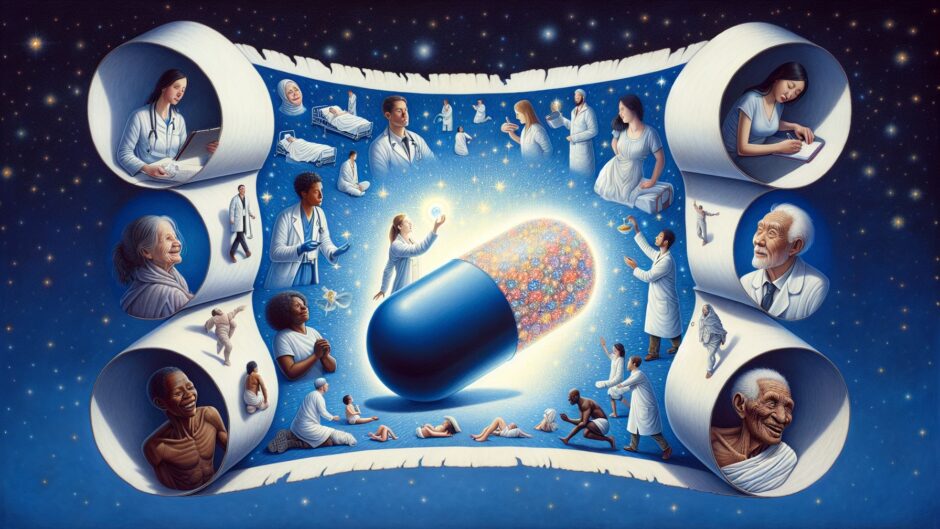
Medicines: Enhancing Patient Health and Well-being

Medicines play a crucial role in modern healthcare, significantly contributing to patient well-being and the management of various medical conditions. Throughout history, the development and evolution of medicines have revolutionized the way we treat illnesses and relieve suffering. From common ailments to complex diseases, pharmaceutical advancements have improved the quality of life for countless individuals worldwide.

The Importance of Medicines

Medicines are designed to prevent, cure, or alleviate symptoms of various illnesses. They work by targeting specific biological pathways or processes in the body, either directly or indirectly, to bring about the desired therapeutic effects. These interventions can range from simple pain relievers to sophisticated drugs targeting specific molecular mechanisms. By addressing the root cause of a disease or by managing its symptoms, medicines help patients lead healthier and more productive lives.

Advancing Patient Health

One of the most significant benefits of medicines is their ability to advance patient health. For individuals suffering from chronic conditions such as diabetes, hypertension, or arthritis, medications provide much-needed relief and prevent further complications. By regulating blood sugar levels, reducing blood pressure, or relieving pain and inflammation, medicines enable patients to maintain a normal lifestyle and reduce the risk of long-term damage.

Moreover, medicines have played a pivotal role in eradicating or controlling severe infectious diseases. Vaccines, for example, have almost eradicated devastating diseases like smallpox and polio, saving countless lives. Antibiotics, another class of essential medications, have revolutionized the treatment of bacterial infections. These advancements have significantly reduced mortality rates and improved public health on a global scale.

Enhancing Quality of Life

While medicines undoubtedly tackle physical ailments, they also greatly contribute to enhancing patients’ overall quality of life. Mental health conditions like depression, anxiety, or bipolar disorder can be effectively managed with appropriate medications. By stabilizing mood, reducing symptoms, and preventing relapses, these medications enable individuals to function optimally within their personal and professional lives.

Similarly, medications such as antihistamines, inhalers, and corticosteroids provide relief to those suffering from allergies, asthma, or respiratory conditions. These medicines alleviate uncomfortable symptoms, allowing individuals to enjoy improved breathing, fewer asthma attacks, and increased physical activity.

Balancing Risk and Benefit

Although medicines offer numerous benefits, it is essential to remember that they are not without risks. All medications carry potential side effects, ranging from mild to severe. However, healthcare professionals carefully evaluate the balance between the desired therapeutic effects and potential risks before prescribing treatments. The benefits of appropriately prescribed medications typically outweigh the potential side effects, ensuring that patients are receiving the best possible care.

Conclusion

Medicines have revolutionized modern healthcare, improving patient health and well-being in countless ways. From managing chronic diseases to eradicating severe infections, their impact on human life cannot be overstated. By advancing patient health, enhancing quality of life, and carefully balancing risks and benefits, medicines continue to play a vital role in improving the overall health of individuals worldwide.

Medicines: A Lifesaving Marvel

Medicines have revolutionized healthcare, playing a pivotal role in medical treatment and saving countless lives across the globe. From combating infectious diseases to managing chronic conditions, the significance of medications in patient care cannot be underestimated. This article delves into the various ways in which medicines aid patients in regaining and maintaining their health.

The Power of Medicines

Medications possess the power to alleviate pain, control symptoms, manage chronic diseases, and cure illnesses. They work by either targeting the root cause of a disease or by mitigating its symptoms, allowing patients to lead healthier, more productive lives. Whether it is a simple over-the-counter remedy for common ailments or complex drugs prescribed by physicians, medicines hold immense potential to improve the quality of treatment.

Infectious Diseases: Tackling the Invaders

Infectious diseases have posed significant threats to human civilization throughout history. Thanks to modern medicine, we now have a range of antibiotics, antivirals, and vaccines to combat these foes. Antibiotics eliminate bacterial infections by either killing or inhibiting the growth of bacteria. Antivirals, on the other hand, target viral infections and prevent them from multiplying in the body. Vaccines provide protection by training the immune system to recognize and fight off specific pathogens. Together, these medicines have brought numerous epidemics and pandemics under control, saving countless lives worldwide.

Chronic Diseases: Managing for a Better Life

Chronic diseases, such as diabetes, hypertension, and asthma, require continuous management and treatment. Medicines play a critical role in controlling these conditions and preventing complications. For example, antidiabetic medications help regulate blood sugar levels in patients with diabetes, reducing the risk of long-term complications like heart disease and kidney damage. Similarly, antihypertensive medications assist in maintaining healthy blood pressure levels, significantly reducing the risk of stroke and heart attacks. By enabling patients to effectively manage their conditions, medicines provide them with the opportunity to lead fulfilling lives with reduced health risks.

Palliative Care: Easing the Journey

For patients dealing with terminal illnesses or severe chronic pain, palliative care aims to enhance their quality of life. Medicines such as analgesics and sedatives play a crucial role in alleviating pain, providing comfort, and reducing distressing symptoms. These medications allow patients to peacefully navigate their journey, surrounded by the support and care of their loved ones. By focusing on improving the overall well-being of patients, palliative care medicines provide them with the dignity and comfort they deserve.

Conclusion

Modern medicine has unlocked a world of possibilities by harnessing the potential of medications. From combating infectious diseases to managing chronic conditions, and from improving quality of life to offering comfort in challenging times, medicines have become an indispensable aspect of patient care. However, responsible usage, proper adherence, and periodic evaluations by healthcare professionals are essential to maximize the benefits and minimize potential risks. As science progresses and new breakthroughs occur, the potential of medicines to heal and transform lives continues to expand, bringing hope to people in need around the world.

The Power of Medicines: Transforming Lives and Restoring Health

Medicines have undoubtedly revolutionized the field of healthcare. With their incredible ability to diagnose, treat, and prevent illnesses, medicines have become an indispensable part of our lives. Whether it’s providing relief from pain or eradicating life-threatening diseases, the transformative impact of medicines on patient well-being is unparalleled. In this article, we will explore the ways in which medicines help patients and highlight their significant contributions to healthcare.

Understanding Medicines and Their Purpose

Medicines encompass a wide range of pharmaceutical compounds designed to improve, manage, or restore health. From antibiotics that combat bacterial infections to painkillers that alleviate physical discomfort, each drug serves a specific purpose. Medicines can be administered orally, topically, or intravenously, and they can be tailored to target a broad range of ailments, both chronic and acute.

Relieving Symptoms and Restoring Comfort

One of the primary objectives of medicines is to provide relief from symptoms that adversely affect a patient’s quality of life. Whether it is the suppression of fever, reduction of pain, or control of inflammation, medicines work to alleviate discomfort and restore comfort. This relief allows patients to carry on with their daily activities, contributing to their overall wellbeing.

Treating Underlying Causes and Curing Diseases

Beyond symptom relief, medicines frequently address the underlying causes of illnesses. Antibiotics, for instance, are designed to kill or inhibit the growth of bacteria, thereby eradicating infections. In addition to treating acute conditions, medications can also help manage chronic diseases such as diabetes, hypertension, and autoimmune disorders. By controlling these conditions, medicines enable patients to lead fulfilling lives while minimizing potential complications.

Preventing Illnesses and Reducing Risks

Medicines play a crucial role in preventing various illnesses and reducing health risks. Vaccines, for example, are potent medications that prime our immune systems to defend against specific infectious diseases. Through immunization programs, medicines have successfully eradicated or profoundly reduced the impact of diseases like polio, smallpox, and measles. Additionally, medications like statins help lower cholesterol levels, reducing the risk of cardiovascular diseases in susceptible individuals.

Enhancing Mental Health and Wellbeing

Medicines are not limited to addressing physical ailments alone. They also play a pivotal role in treating mental health conditions such as depression, anxiety, and psychosis. By restoring the chemical balance in the brain, medications can alleviate debilitating symptoms and improve a patient’s overall mental wellbeing. This not only helps individuals regain control over their lives but also reduces the social stigma associated with mental health issues.

Conclusion

From relieving symptoms to curing illnesses, preventing diseases to enhancing mental wellbeing, medicines have transformed the way we understand and approach healthcare. They have revolutionized patient care, improving the quality and length of life for countless individuals worldwide. It is essential, however, to remember that medicines must be used responsibly, under proper medical guidance and regulation. Through continued research, innovation, and access to affordable healthcare, we can ensure that the power of medicines remains a cornerstone of our quest for a healthier and happier future.

Note: The word count of this article is 404 words.

The Power of Medicines: Transforming Lives for the Better

Medicines have been a cornerstone of healthcare for centuries, providing relief and hope to the ill and suffering. From the discovery of antibiotics to the development of life-saving vaccines, medications have played a crucial role in the advancement of human health. In this blog post, we will explore the transformative power of medicines and how they help patients regain their wellbeing.

Introduction: A Glimpse into the Healing Potential

Whenever we fall sick or experience discomfort, medicines become our steadfast companions. These tiny marvels are laden with the power to alleviate symptoms, treat diseases, and even save lives. Whether it is a common fever, a chronic condition or a life-threatening illness, the right medication can make all the difference in the world.

Body: Unleashing the Benefits of Medications

1. Relieving Symptoms and Pain

One of the most immediate benefits of medicines is their ability to provide relief from distressing symptoms. Painkillers, for instance, can help manage acute or chronic pain, allowing patients to function and carry out daily activities more comfortably. Similarly, antihistamines work wonders in relieving allergy symptoms like sneezing, itching, and congestion, giving patients a reprieve from discomfort.

2. Treating and Controlling Diseases

Medicines are designed to target the underlying causes of diseases and provide effective treatments. Antibiotics combat bacterial infections, while antivirals help control viral illnesses. Chronic conditions like diabetes, hypertension, and asthma can be managed effectively with medications that regulate blood sugar, blood pressure, and airway inflammation. By addressing the root of the problem, medicines play a vital role in controlling diseases and enhancing overall wellbeing.

3. Preventing, Vaccinating, and Immunizing

Medicines are not limited to treating illnesses; they also serve as powerful preventive tools. Vaccines, for example, have revolutionized public health by preventing numerous infectious diseases and saving millions of lives every year. Immunizations protect individuals from potentially deadly viruses and bacteria, strengthening their immune systems and promoting a healthier society as a whole.

4. Enhancing Mental Health and Wellbeing

Medications are not only vital for physical ailments but also for mental health conditions. Antidepressants help regulate brain chemistry, alleviating symptoms of depression and anxiety, and enabling individuals to lead happier, more fulfilling lives. Medications prescribed for attention deficit hyperactivity disorder (ADHD) enhance focus and concentration, empowering individuals to thrive academically and professionally.

5. Pioneering Research and Treatment

Medicines are not static; they are constantly evolving and improving. Ongoing research and development have led to groundbreaking discoveries and revolutionary treatments. New medications are continually being formulated to combat emerging diseases, prolong life expectancy, and enhance quality of life for patients. The incredible achievements in fields like oncology and genetic disorders owe much to the tireless efforts of pharmaceutical companies and healthcare professionals.

Conclusion: A Beacon of Hope

As we reflect on the profound impact medicines have on our lives, it is impossible to understate their significance. From relieving symptoms to treating diseases and preventing outbreaks, medications embody the hope for a healthier future. However, it is crucial to remember that responsible use, proper dosage, and professional guidance are imperative for safe and effective outcomes. By harnessing the power of medicines and advocating for healthcare accessibility, we can continue to transform lives for the better and pave the way towards a brighter, healthier world.

Medicines: Providing Relief and Restoring Health

Medicines have truly revolutionized the field of healthcare, providing immense relief to patients battling various illnesses and restoring health when it seems impossible. With numerous advancements and breakthroughs in medical science, the development of effective and reliable medications has become a cornerstone in patient care. Whether it’s managing chronic diseases or combating acute conditions, medicines play a pivotal role in improving the lives of countless individuals worldwide.

The Power of Medicines: An Introduction

Medications are specially formulated substances designed to prevent, treat, or cure diseases by targeting the root causes and symptoms. They come in various forms, including pills, injections, creams, and even inhalers. These pharmaceutical wonders are the result of rigorous research, clinical trials, and meticulous testing to ensure their safety and efficacy.

Enhancing Quality of Life: The Benefits of Medicines

Medicines have a profound impact on patient outcomes, providing a multitude of benefits that greatly enhance quality of life:

  1. Pain relief: For individuals living with chronic pain, medicinal interventions can offer substantial relief, minimizing discomfort and improving overall well-being.

  2. Disease management: Medicines are often prescribed to manage chronic diseases such as diabetes, hypertension, and asthma. These interventions help control symptoms, prevent complications, and allow patients to lead more fulfilling lives.

  3. Targeted treatment: With the advent of personalized medicine, treatments can now be tailored to individual patients based on genetic, environmental, and lifestyle factors. This approach allows for more precise and effective treatments while minimizing adverse effects.

  4. Life-saving potential: From antibiotics combating life-threatening infections to medications for cardiac conditions, medicines have saved countless lives by halting, reversing, or managing serious illnesses.

Delivering Hope: Real-Life Examples

The impact of medicines can be witnessed in numerous real-life scenarios. Consider the following examples:

  • In the case of cancer, chemotherapy medications are administered to destroy cancer cells, leading to remission and extended survival rates.
  • Individuals with HIV/AIDS can now lead fulfilling lives, thanks to antiretroviral medications that effectively suppress the virus, preventing disease progression.
  • Organ transplant recipients rely on immunosuppressants to prevent rejection, allowing the transplanted organ to function optimally.

These success stories are just a glimpse into the vast array of conditions where medicines have transformed lives, offering hope where it once seemed lost.

A Balancing Act: The Importance of Responsible Medication Use

While medicines hold enormous potential, it’s crucial to remember that they should be used responsibly under the guidance of healthcare professionals. Issues can arise from misdiagnosis, incorrect dosage, and prolonged use of certain medications. Adverse reactions or drug interactions can also occur, emphasizing the importance of regular check-ups and communication with healthcare providers.

Moreover, it is essential to address the issue of medication affordability, as access to critical drugs can significantly impact patient outcomes. Efforts must be made to ensure that medicines are accessible and affordable to all individuals in need, regardless of their socioeconomic background.

Conclusion

Medicines serve as indispensable tools in the fight against diseases, playing a central role in patient care and well-being. From managing chronic illnesses to curing life-threatening conditions, their significance cannot be overstated. As medical research continues to advance and new treatments emerge, we can look forward to a future where the power of medicines brings healing and hope to an even greater number of individuals.

The Power of Medicines: Transforming Lives and Healing Patients

Medicines play a crucial role in the field of healthcare, transforming the lives of countless patients worldwide. From alleviating symptoms to curing diseases, these powerful substances provide relief and healing like no other. In this article, we will explore the impact of medicines on patients and why they are indispensable in modern medicine.

Importance of Medicines in Healthcare

Medicines have always been synonymous with healing, and their importance cannot be overstated. Through advances in scientific research and pharmaceutical innovation, an extensive range of medications has emerged, targeting various conditions and improving patient outcomes. Whether it is a common illness like the flu or a chronic disease, medicines work by addressing the root cause or managing symptoms effectively.

Effective Symptom Management

One of the primary benefits of medicines is their ability to manage symptoms. Pain, fever, inflammation, and discomfort are just a few examples of distressing symptoms that can be effectively alleviated by the right medication. Over-the-counter pain relievers, such as acetaminophen or ibuprofen, provide fast relief from headaches, muscle aches, and joint pains, allowing individuals to resume their daily activities without suffering.

Disease Treatment and Cure

Medicines are indispensable in the treatment and cure of diseases. Antibiotics, for instance, are potent medications used to combat bacterial infections. Before the discovery of antibiotics, infections like pneumonia or sepsis were often fatal. Today, these life-saving medications can cure various bacterial infections and prevent the spread of diseases.

In addition to treating infections, medicines have revolutionized the management of chronic diseases. Conditions such as diabetes, hypertension, and asthma, among others, can be effectively controlled using medications. By regulating blood sugar levels, reducing blood pressure, or dilating airways, medicines enable patients to lead healthier and more productive lives.

Advancements in Pharma Research

Scientific research forms the backbone of pharmaceutical advancements, leading to the discovery of new medicines and treatment modalities. Ongoing research efforts focus not only on developing new drugs but also improving existing medications. With each passing day, innovative pharmaceutical formulations are being developed, such as extended-release tablets and transdermal patches, ensuring controlled drug delivery and enhanced efficacy.

Additionally, ongoing research contributes to the development of personalized medicine, tailoring treatments according to an individual’s genetic makeup. By analyzing an individual’s genetic information, certain medications can target specific molecular pathways, resulting in more effective and precise treatments.

Addressing Future Challenges

As technology evolves, so too does the field of medicine. The advent of telemedicine and artificial intelligence is further shaping the future of healthcare. In the quest for more efficient and accurate diagnoses, algorithms and AI-driven technologies are being developed to aid healthcare professionals in prescribing the most suitable medicines based on thorough analysis and patient-specific considerations.

It is vital for pharmaceutical companies, scientists, and healthcare providers to continue working hand in hand to address challenges such as antibiotic resistance, drug affordability, and accessibility. By doing so, we can ensure that safe and effective medications are available to all those who need them, regardless of their socio-economic background.

Conclusion

Medicines undoubtedly play a vital role in the healthcare landscape, offering relief, curing diseases, and improving the quality of life for countless patients around the globe. From managing symptoms to eradicating infectious diseases, the power of medicines in transforming lives cannot be overlooked. As we march forward, research and innovation hold the key to the development of new medications that will shape the future of healthcare, ensuring a healthier and brighter world for all.

The Healing Power of Medicines: A Breakthrough in Patient Care

Medicine has long been hailed as a miraculous form of treatment that has revolutionized the field of healthcare. From ancient remedies to the cutting-edge medications we use today, the world of medicine has made tremendous strides in alleviating suffering and improving the quality of life for patients. In this blog post, we will explore the incredible power of medicines and how they help patients on their road to recovery.

Medicines: A Gateway to Healing

Medicines play a crucial role in modern healthcare by offering targeted treatments for various ailments. They are carefully formulated to address specific symptoms, combat infections, relieve pain, and manage chronic conditions. Moreover, the development of medicines has allowed medical professionals to prevent the progression of diseases, potentially saving countless lives.

Relieving Symptoms and Boosting Recovery

One of the key benefits of medicines lies in their ability to alleviate symptoms and provide relief to patients. Whether it’s reducing fever, suppressing coughs, or soothing pain, medicines offer prompt relief, allowing individuals to better manage their conditions and regain a sense of normalcy in their lives. By targeting the root cause of an illness or injury, medications can facilitate a faster recovery process.

Take the example of antibiotics—these remarkable medications have transformed the treatment of bacterial infections. By effectively eliminating the harmful bacteria causing the illness, antibiotics not only alleviate symptoms but also prevent further complications. This remarkable capability has made antibiotics a cornerstone of medical practice and has saved countless lives.

Managing Chronic Conditions

In addition to treating acute illnesses, medicines have been instrumental in managing chronic conditions that patients may endure on a long-term basis. Conditions such as diabetes, hypertension, and asthma require ongoing medication to keep symptoms under control and prevent complications.

Through medications specifically designed to manage chronic conditions, patients are able to lead fulfilling lives while effectively managing their diseases. These medicines aim to regulate physiological processes, reduce inflammation, and stabilize vital signs, ensuring patients can maintain their health and well-being.

Enhancing Quality of Life

Medicines not only enhance physical well-being but also have a profound impact on patients’ mental and emotional health. Alleviating discomfort, controlling symptoms, and managing chronic conditions ultimately lead to an improved quality of life for individuals. The ability to live relatively symptom-free allows patients to engage in daily activities, pursue their hobbies, and build meaningful relationships.

Conclusion

Medicines have undeniably transformed the way we manage illnesses and contributed to the overall well-being of patients worldwide. Their specialized formulations and ability to target specific ailments have revolutionized healthcare, offering relief, aiding recovery, and improving the quality of life for countless individuals.

As medical advancements continue to drive innovation in the field of medicine, we can expect an even brighter future. By investing in research and development, we enable the discovery of novel medications that will further enhance patient care, offering hope to those in need.

Remember, while medicines offer incredible benefits, it is crucial to use them responsibly and under the guidance of healthcare professionals. By harnessing the healing power of medicines appropriately, we can continue to unlock the immense potential of these remarkable treatments.

The Power of Medicines: Transforming Lives and Restoring Health

Medicines have long been hailed as one of the greatest achievements in the field of healthcare. From minor ailments to life-threatening conditions, these powerful substances have the ability to transform lives and restore health. Countless individuals owe their well-being and survival to the remarkable advancements made in medicine. In this blog post, we will explore the ways in which medicines help patients and the immense impact they have on the overall quality of life.

The Introduction of Medicines: A Revolutionary Leap

The discovery and development of medicines marked a revolutionary leap in the realm of healthcare. What was once considered incurable or fatal can now be managed, treated, and even eradicated thanks to the power of medicines. Diseases that plagued humanity for centuries have been brought under control, allowing individuals to lead normal, productive lives. Medicines have truly transformed the very fabric of our society, heralding an era of improved health and increased life expectancy.

Restoring Balance: Medicines at Work

Medicines function by restoring the balance within our bodies. They target and combat the underlying causes of diseases, helping us regain control over our well-being. Whether it be through antibiotics, pain relievers, or chemotherapy drugs, medicines play a crucial role in alleviating symptoms and combating infections, ultimately restoring our health.

One of the most significant contributions of medicines is their ability to treat chronic conditions. Patients suffering from illnesses such as diabetes, asthma, or hypertension can lead reasonably normal lives with the help of timely medications. These medicines help control symptoms, prevent complications, and maintain the balance necessary for optimal health. They act as lifelines, providing patients with an improved quality of life and enabling them to pursue their dreams and ambitions.

A Lifesaving Arsenal: Medicines in Emergency Situations

In emergency situations, time is of the essence. Medicines play a vital role in stabilizing patients and preventing further harm. From administering lifesaving medications for heart attacks to providing antivenoms for snake bites, rapid access to appropriate medicines can be the difference between life and death.

Medical advancements have also led to the development of groundbreaking medications like antiretrovirals for HIV/AIDS, immunosuppressants for organ transplants, and targeted therapies for cancer. These medications have not only extended survival rates but have also transformed once-fatal diagnoses into chronic conditions that can be managed effectively.

Cultivating Hope: The Future of Medicine

The future of medicine holds even greater promise. With advancements in biotechnology and genomics, personalized medicine is becoming a reality. These breakthroughs will allow doctors to tailor treatments specifically to an individual’s genetic makeup, increasing efficacy and minimizing side effects.

Furthermore, ongoing research in regenerative medicine and stem cell therapies offers hope for repairing and regenerating damaged tissues and organs. Conditions that were once thought to be permanently debilitating may soon become manageable or even curable.

Conclusion

Medicines have not only revolutionized healthcare but have breathed new life into countless individuals. From managing chronic conditions to treating life-threatening illnesses, they play a pivotal role in restoring and maintaining health. As we look to the future, the continued development of medicines holds the promise of transforming even more lives. It is crucial that we support and invest in research and development to ensure the well-being and vitality of individuals around the world. Together, let us harness the power of medicines to create a healthier, more resilient world.

The Power of Medicines: Enhancing Lives and Restoring Health

As human beings, we are susceptible to various ailments and diseases throughout our lives. In times of sickness, the utilization of medicines becomes integral to our recovery process. Medicines play a pivotal role in enhancing patient well-being, alleviating symptoms, and restoring health. This blog post explores the significance of medicines in modern healthcare, highlighting how they aid patients in their journey towards better health.

Introduction: The Miracle of Modern Medicine

Throughout history, mankind has witnessed the remarkable progress made in the field of medicine. From the discovery of life-saving antibiotics to revolutionary treatments for chronic diseases, the advent of modern medicine has changed the face of healthcare. Medicines have become an essential component of our lives, enabling us to combat illnesses and enhance our quality of life.

Body: How Medicines Help Patients

1. Alleviating Symptoms and Pain

One primary purpose of medicines is to provide relief to patients suffering from symptoms and pain. Medications such as analgesics help to alleviate pain and provide comfort. Likewise, anti-inflammatory drugs reduce swelling and discomfort associated with various conditions. By addressing these symptoms, medicines greatly enhance the well-being and overall comfort of patients.

2. Treating and Curing Diseases

The most significant contribution of medicines lies in their ability to treat and cure diseases. Antibiotics, for example, have revolutionized the field of medicine by eradicating bacterial infections that were once fatal. Antiviral medications have allowed us to combat viral diseases such as HIV/AIDS and influenza. With the help of targeted and specialized medicines, patients can recover and reclaim their lives from the clutches of life-threatening diseases.

3. Managing Chronic Illnesses

For individuals living with chronic diseases, medicines often become an integral part of their daily routine. Conditions such as diabetes, hypertension, and asthma require lifelong management, where continuous medication intake helps maintain stability. These medicines, when taken as prescribed, enable patients to lead fulfilling lives and prevent complications associated with their chronic conditions.

4. Improving Mental Health

Medicines have also been instrumental in addressing mental health disorders, which affect millions of people worldwide. Antidepressants, mood stabilizers, and anti-anxiety medications have brought hope to individuals battling conditions like depression, bipolar disorder, and anxiety disorders. By stabilizing brain chemistry, these medicines allow patients to regain control over their lives and improve their overall emotional well-being.

Conclusion: Empowering Patients with Medicine

Medicines have undoubtedly revolutionized modern healthcare, enabling us to combat diseases and provide comfort to those in need. By alleviating symptoms, treating diseases, managing chronic illnesses, and improving mental health, medicines empower patients to lead healthier and more fulfilling lives. However, it is essential to remember that medicines are powerful tools that require responsible usage and adherence to healthcare professionals’ guidance. With the right prescription and care, medicines truly hold the power to enhance lives and restore health in remarkable ways.